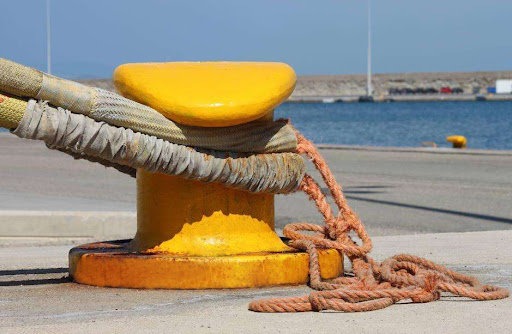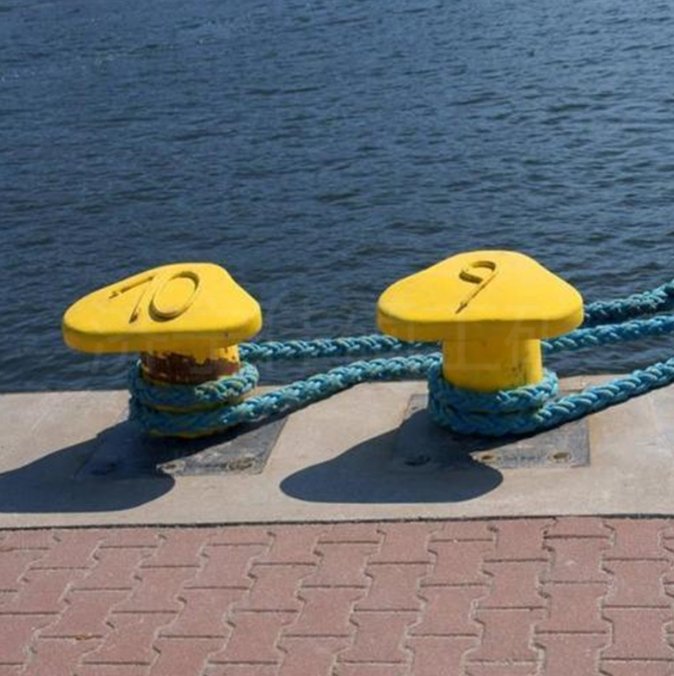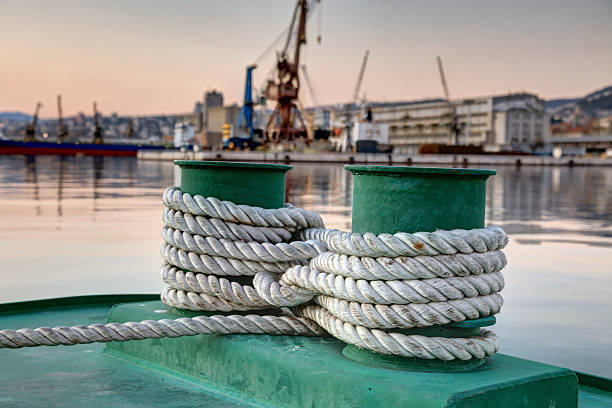
Marine mooring operations rely heavily on sturdy, well-maintained equipment to ensure safety, and marine bollards are the core component of this system. These marine bollards bear immense forces, securing vessels that range from small craft to massive container ships. This guide breaks down seven essential maintenance tips for safe marine operations, and explains why proactive maintenance is vital and the risks of neglecting it.
Why Marin e Bollard Maintenance Matters?
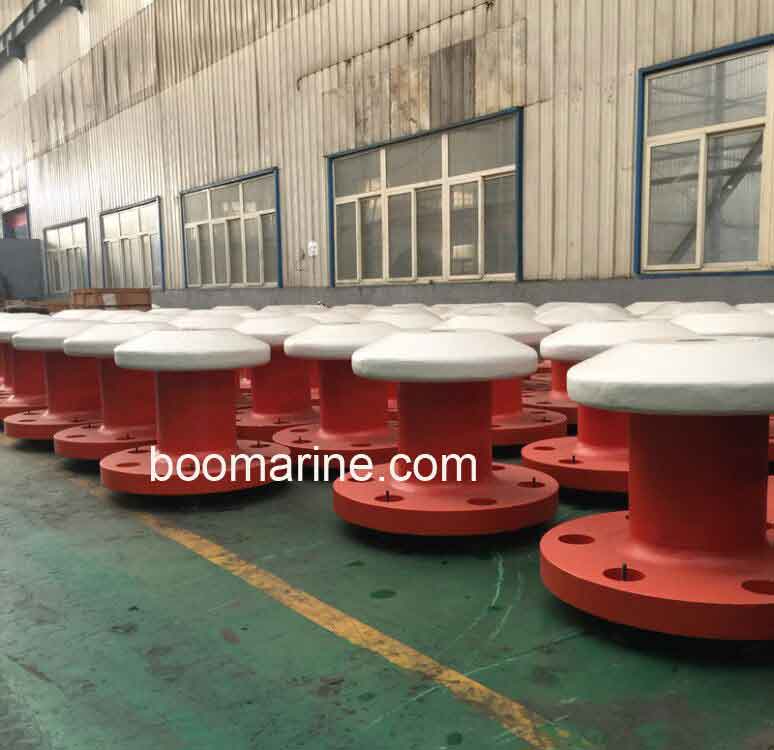
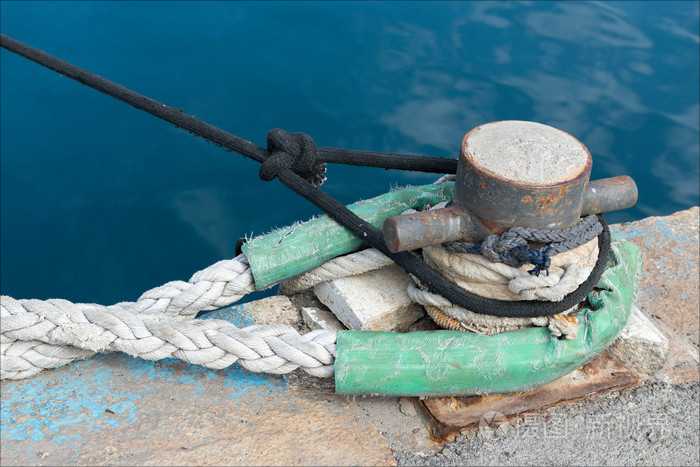
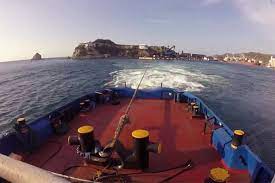
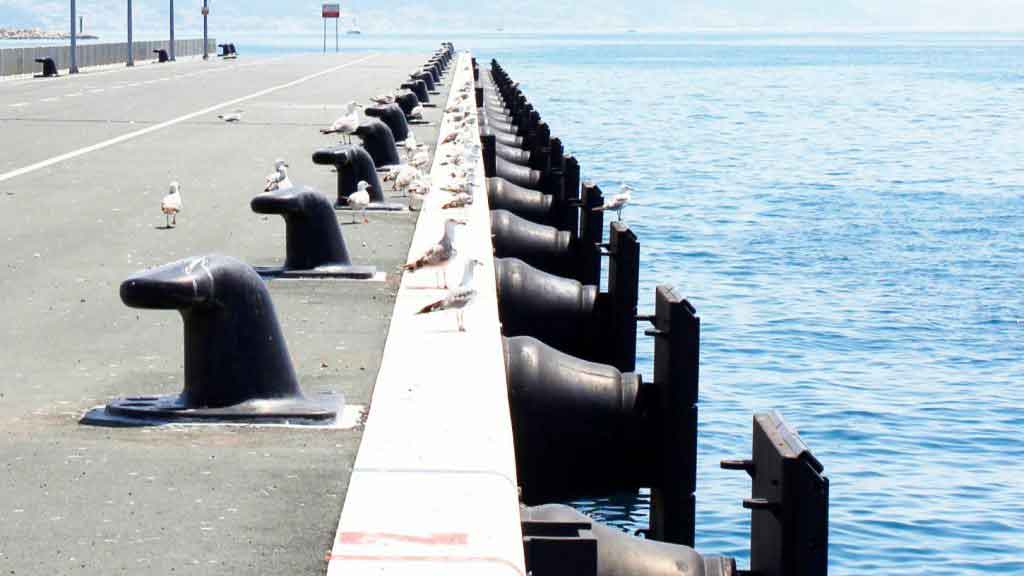
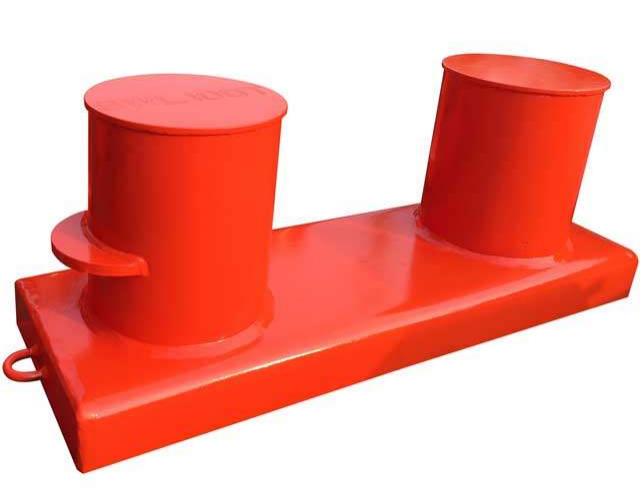
A marine bollard is a robust, fixed fixture installed on docks, quays, and vessel decks. Generally, they are manufactured out of cast steel, ductile iron, or stainless steel. Marine bollards are absolutely critical in providing a safe form of secure anchor point for mooring lines. In other words, marine bollards hold ships, small boats, and barges against the whims of tides, currents, and wind. So marine bollards are mandatory for operation of marinas, harbors, dock areas, and many marine mooring operations globally.
Marine bollards are always under constant pressure because they are exposed to saltwater, extreme weather, heavy mooring lines, and dynamic loads from vessels of all sizes. However, when mooring bollards fail there is direct liability by causing damage to ships, injury to crewmembers, pollution of the environment, and expensive downtime. So, marine bollard care is necessary: it limits losses while assuring a secure operation at sea.
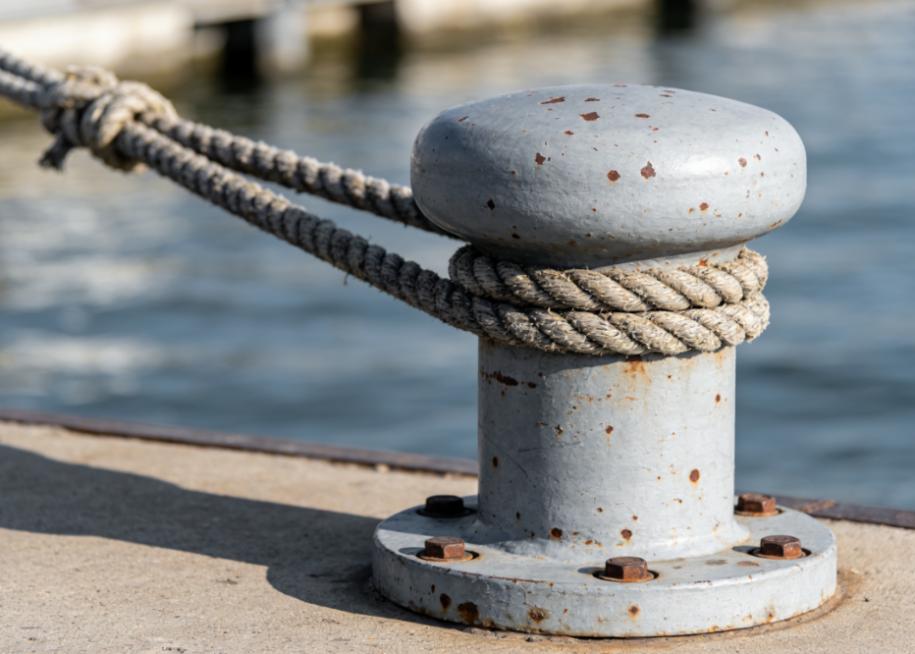
7 Essential Marine Bollard Maintenance Tips for Safe Marine Operations
1. Regular Inspections
Set a schedule with active and safe applications to use the bollard and type of environmental conditions by which the bollard is exposed. High-traffic areas may gain from a weekly check, whereas other areas can just stay safe by a monthly check.
During the time of inspection, the following should be of concern:
- Cracks or fractures in bollard body or base;
- rust, pitting, or corrosion (especially at welds and connection points);
- loose or missing bolts, nuts, or anchor fasteners;
- wear marks from ropes;
- and signs of marine organism growth (like barnacles, which can trap moisture and accelerate corrosion).
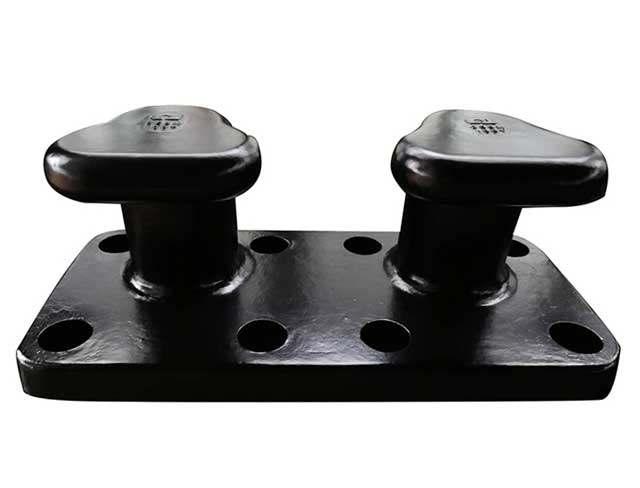
2. Effective Cleaning Methods
Saltwater, dirt, grease, and marine organisms are major contributors to bollard degradation. The regular cleaning process protects surfaces from harmful corrosive materials.
Mild cleaning solutions should be used because they will not harm the bollard’s surface. Scrub the surface with a soft-bristled brush or sponge while using metal tools because they will cause damage which leads to corrosion through their created entry points. For stubborn marine growth, use a plastic scraper instead of metal tools to gently remove buildup. High-pressure washing should be avoided when coating defects are present because it will drive water underneath the coating which will increase corrosion problems. Use a clean cloth to dry the surface after cleaning which will stop moisture from accumulating. A clean bollard allows for proper inspection and maintains coating effectiveness.
3. Corrosion Protection
Corrosion stands as the primary threat to marine bollards and mooring bollards which operate in saltwater and humid and industrial marine conditions.
Apply High-Quality Marine-Grade Coatings
Marine-grade coatings which include polyurethane and epoxy should protect all marine bollards because they can endure saltwater and ultraviolet rays and extreme temperatures. The coatings need annual or biennial maintenance but require immediate replacement when visible chipping or peeling or material deterioration occurs.
Consider Galvanization for Steel Bollards
The process creates a zinc coating which protects against rust and corrosion to extend the lifespan of structures exposed to the most demanding marine conditions. Ports and marinas benefit from galvanized bollards because they require less maintenance and provide extended functionality which results in financial savings.
Implement Cathodic Protection for Submerged Bollards
Marine bollards which exist as partial or complete underwater structures should use cathodic protection through sacrificial anodes or impressed current systems. The method protects against electrochemical corrosion which represents the main threat to submerged structures thus extending the bollard’s functional duration.
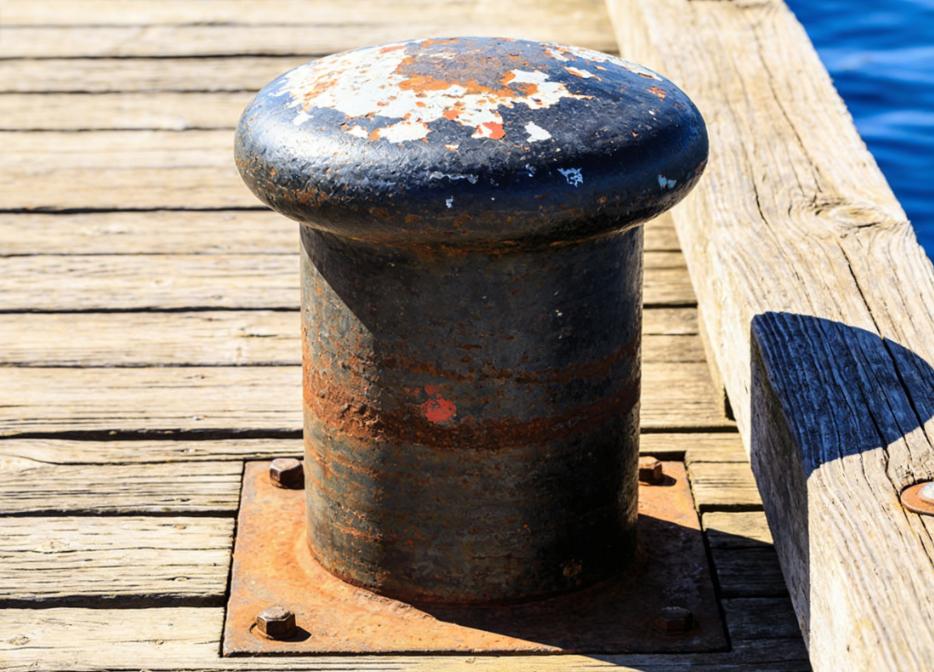
4. Reinforce Marine Bollard
Reinforcing weak points and ensuring structural stability is a key part of marine bollard maintenance to prevent failure. Begin with regular inspects on the foundations for cracks, spalling, or shifting, and reinforce it if necessary. For concrete foundations, crack repairs may be carried out through epoxy injections, and the anchor bolts tied properly into position.
The installation of marine-grade wear pads at high-traffic zones should be completed to achieve better load distribution which will result in decreased wear on the surfaces.
If your marine bollards are outdated, undersized, or showing signs of structural fatigue, consider upgrading to stronger, more durable models. Buy new and improved bollards that meet the latest safety requirements from manufacturers while being a good match to the specific load requirements of the related operation.
5. Timely Repair of Damaged Parts
Timely repair of damaged parts is critical because it protects against marine bollard failures which would endanger safe marine mooring operations.
Replace Loose, Damaged, or Corroded Fasteners
All fasteners that show signs of being loose or damaged or corroded need to be removed and replaced with marine-grade hardware. Tighten all fastener until the manufacturer’s torque specifications are met.
Repair or Replace Damaged Bollard Bodies
Professional welding needs to happen for steel bollards and specialized material repairs need to take place when the marine bollard shows cracks or fractures or major deformations. The bollard requires replacement when there exists extensive damage which includes both large cracks and broken sections.
Maintain Moving Parts
For swivel or hinged marine bollards, the hinges and bearings must be inspected frequently and lubricated using marine-grade lubricants to prevent seizing. The smooth operation of the equipment requires all moving parts which include bearings and pins to be replaced when they become worn or damaged.
6. Professional Surface Treatment and Coating Repair
The professional surface treatment process creates an effective bond between the coating and the surface, which results in durable protection against corrosion. Rust and damaged coating areas require treatment through methods other than painting. The surface of the bollard needs to be cleaned and dried and all rust and grease and debris need to be removed before any new coating or touch-up work begins. The procedure requires blast cleaning until only bare metal remains to eliminate all pollutants from the damaged areas.
The original specifications of the bollard require exact matching of materials during the repair process that restores coatings and surfaces. Consult with reputable marine bollards suppliers to ensure you’re using the right coatings, primers, and repair materials for your bollard’s material.
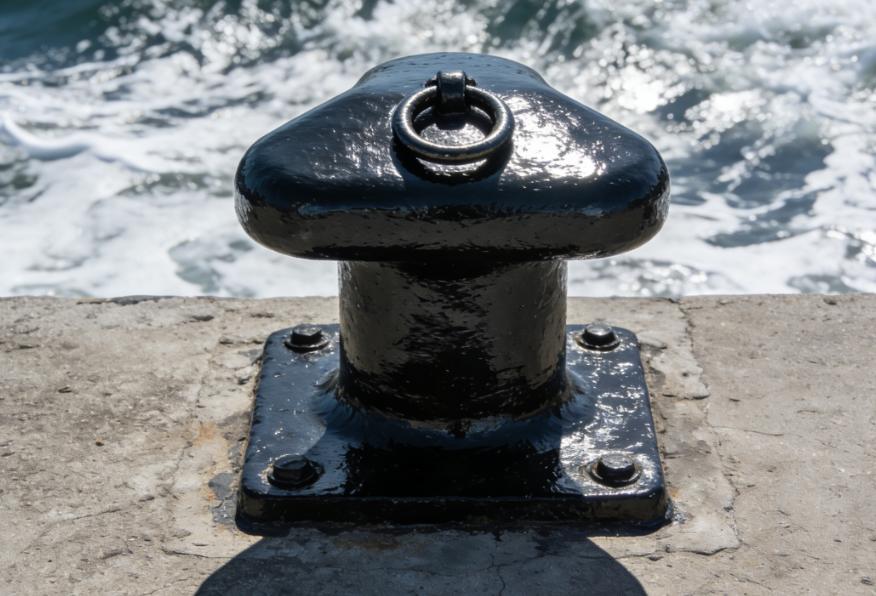
7. Regular Load Testing
Regular load testing should be conducted to ascertain the capacity and safety of the bollard. Load tests should be performed by a qualified engineer in consultation with a specialized test service and following all set standards (such as those set by the International Maritime Organization or local maritime authorities). The testing encompasses the controlled application of the load up to the weight-carrying limit of the bollard and monitoring for any deformation, crack, or failure.
Load testing should be done at least annually for high-use bollards, or every 2-3 years for bollards used less frequently. The organization should perform extra load testing for marine bollards after significant events, including extreme weather, incidents of collisions or heavy mooring operations. The organization needs to record every load testing outcome which should include the testing date and applied weight together with all documented findings. If a bollard fails a load test, immediately repair or replace it.
Consequences of Neglecting Marine Bollard Maintenance
The consequences of ignoring marine bollard maintenance create both dangerous and expensive problems which extend beyond the actual bollard system.
- Marine Bollard Failure
Marine bollard failure can occur when a bollard cracks, breaks, or collapses under load. Mooring lines may snap in functioning bollards, leading to the disastrous drift of vessels, causing a rescue unleashed with another vessel or even port infrastructure, and intense damage.
- Environmental pollution
If a vessel drifts due to marine bollard failure, it can lead to the consequent discharge of fuel, oil, etc., into the marine environment. This can increase pollution, threaten marine life and result in fine from environmental regulatory powers.
- Human Injury or Fatality
- Any sudden collapsing of marine bollard at the port may then break off a line or chain whipping around and undoubtedly causing injury to a crew. It can also lead to vessel collisions that result in injuries or fatalities.
- Costly Downtime and Repairs
Mooring operations must stop when a marine bollard fails because its repair or replacement requires work. The repair work for damaged vessels, port infrastructure, or environmental cleanup may cost hundreds of thousands (or even millions) of dollars.
- Regulatory Penalties and Legal Liability
Neglecting maintenance of a marine bollard might result in regulatory penalties, fines, or operation suspension. Moreover, if a marine bollard breakdown results in injury, death, or damage, then the risk of legal liability and costly lawsuits shall be added.
- Damage to Reputation
Marine bollard failure or safety incidents can severely damage your reputation as a reliable and eventually lead to loss of business or partnership. Likewise, loss of certification or compliance with industry standards (which are vital to allow an entity to operate legally) could ensue.
Conclusion
By following these seven essential maintenance tips, prioritizing regular inspections and repairs, and working with reputable marine bollards suppliers, you can prevent marine bollard failure, ensure safe marine mooring operations, and extend the lifespan of your bollards.
FAQs
Q1: How often should I inspect my marine bollards?
A1: The frequency of inspections depends on the bollard’s usage and environment. High-traffic areas need weekly inspections while other locations require only monthly inspections. High-use bollards or those in harsh environments may require more frequent inspections.
Q2: What is the most common cause of marine bollard failure?
A2: Corrosion is the leading cause of marine bollard failure, as well as lack of maintenance, overload, and impact damage.
Q3: Can I repair a damaged marine bollard myself, or do I need a professional?
A3: Trained personnel who work on the site have the ability to perform basic repairs. The handling of severe damage which includes cracks and fractures and coating repairs needs to be done by experts who have experience in marine structural engineering.
Q4: How long do marine bollards last with proper maintenance?
A4: The lifespan of a marine bollard depends on the material, design, and maintenance. Marine bollards have a lifespan of 15 to 20 years or longer when they receive proper maintenance. Galvanized or stainless steel bollards typically have longer lifespans than unprotected steel bollards.
Q5: How do I choose the right marine bollards suppliers for replacement parts?
A5: The selection of marine bollard suppliers should be based on their established record of success in the maritime sector when you need to obtain replacement components or new bollards. Suppliers who offer high-quality corrosion-resistant products together with technical assistance and compliance to industrial standards should be selected.