Choosing the correct mooring gear is a must for boat docking safety, but many boat owners and dock managers are confused about how to choose between bollards and boat cleats. Marine bollards and boat cleats are both important tie-down points, but choosing the wrong one can cause expensive accidents, such as ropes that aren’t tight enough to keep boats from drifting or hardware that breaks and makes the whole dock unsafe. In this tutorial, we’ll explain the main distinctions between marine bollards and boat cleats and provide you with useful recommendations on how to choose the right one for your mooring needs.
What Are Marine Bollards and Boat Cleats?
Before we talk about how to choose between bollards and boat cleats, let’s first go over what each piece of equipment is and where it is usually utilized. Marine bollards and boat cleats are both important for mooring, but they are made of very different materials and are meant for very different situations.
Marine Bollards
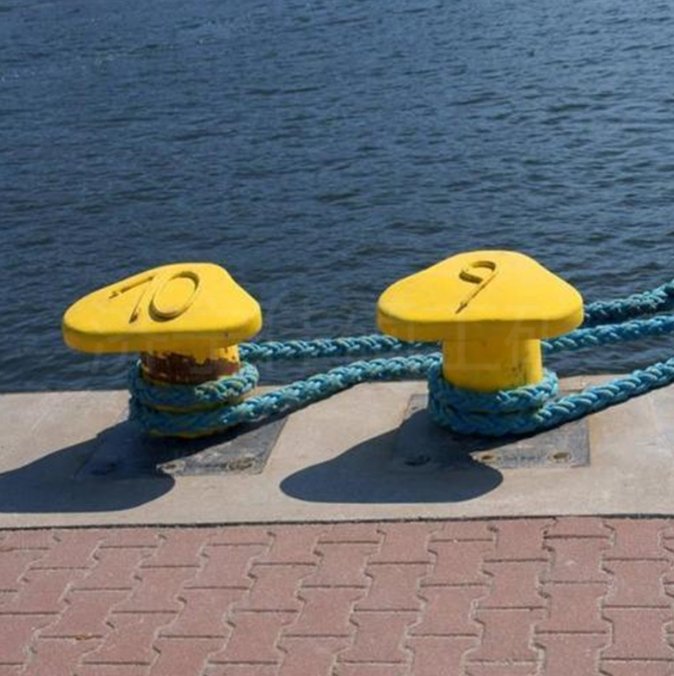
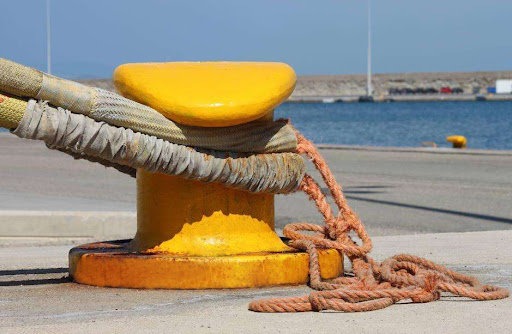
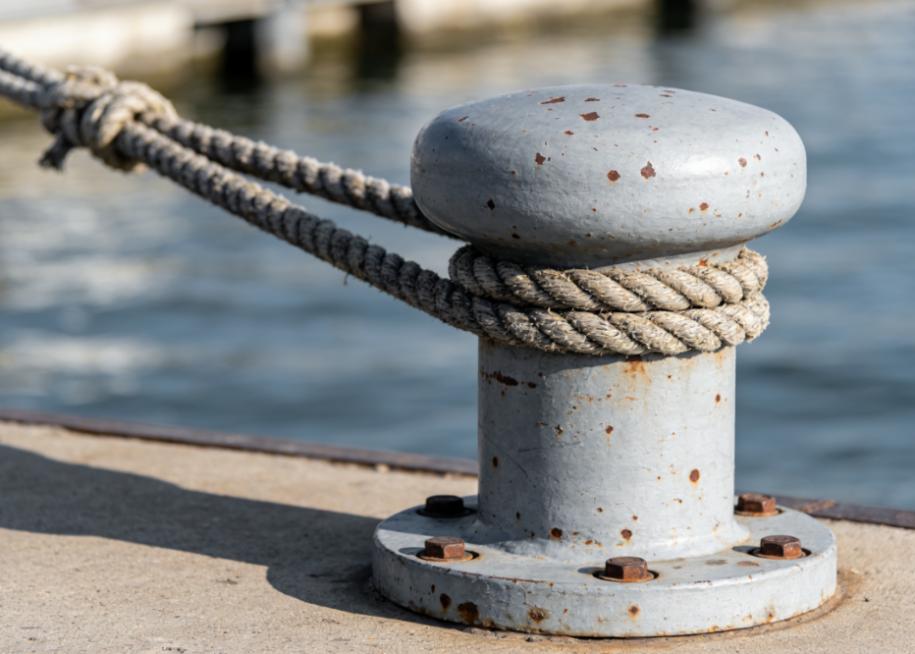
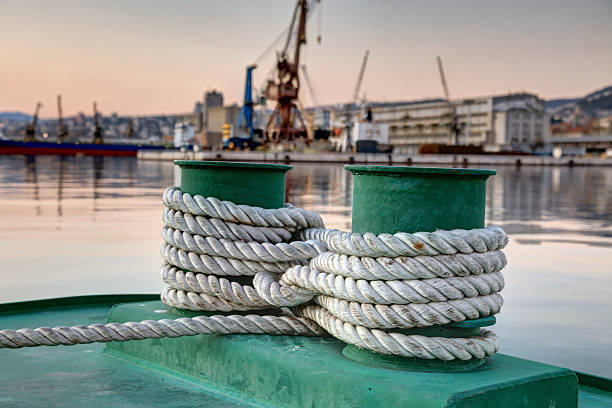
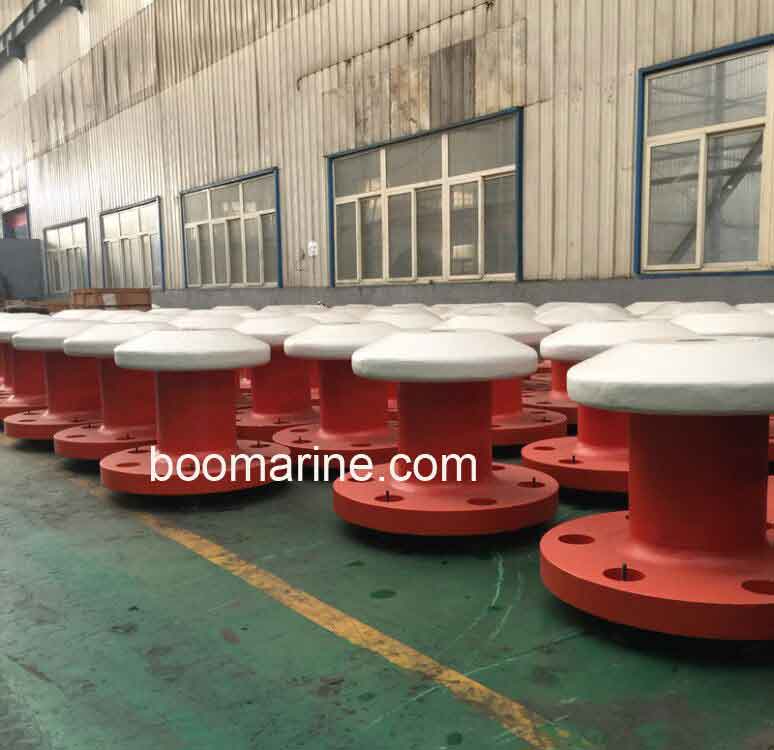
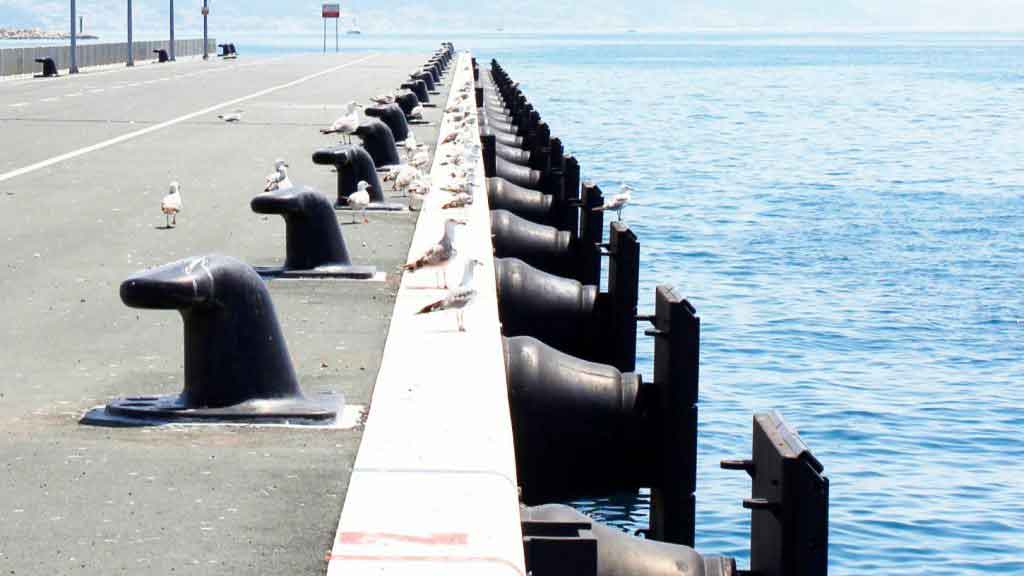
Marine bollards are the most important parts of professional mooring arrangements. These fixtures are designed to handle enormous pulling pressures and are made of strong, vertical poles that hold thick, high-tension mooring lines.
They are usually composed of strong materials such cast iron, carbon steel, or stainless steel. These materials can handle high impacts and corrosion from saltwater. They are anchored deep into dock structures because of their strong, permanent design, which makes them perfect for situations when maximum stability is needed.
Boat Cleats
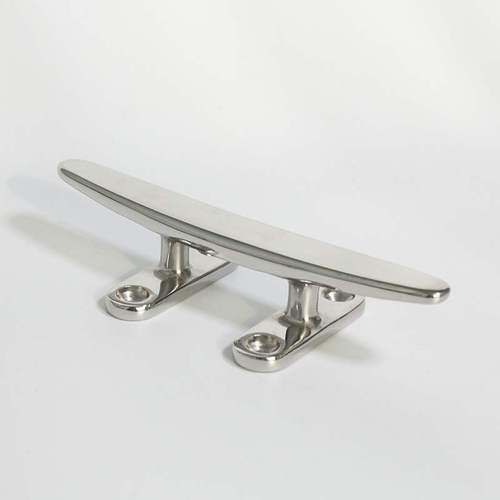
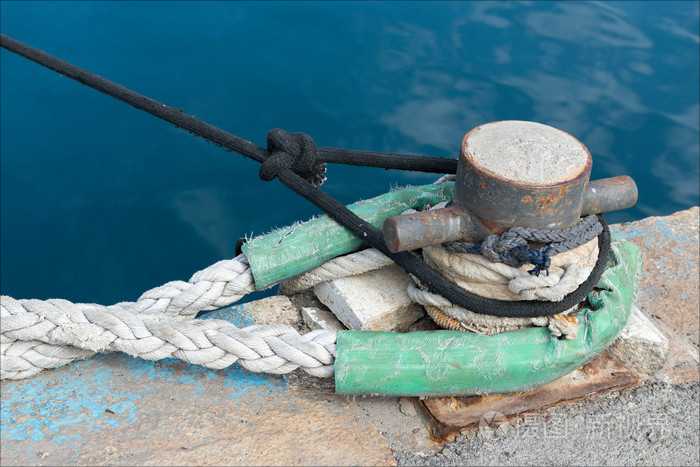
On the other hand, boat cleats are the best choice for small boats and private docks. These “bolt-on” or “surface-mounted” tie-downs have a unique “horn” or T-shape, and they may be installed and placed in a lot of different ways.
Some common kinds of boat cleats are:
- Horn cleats are the typical, elevated style that you see on most small boat decks and private docks. Flip-up/pop-up cleats: Retractable types that keep deck surfaces clear when not in use
- Dock cleats are heavy-duty versions of horn cleats that are developed for use on docks instead of boat hulls.
Most boat cleats are made of aluminum or stainless steel, which makes them strong but light enough to function on smaller buildings and boats.
Core Differences Between Marine Bollards and Boat Cleats
To make how to choose between bollards and boat cleats easier, it helps to compare their key features side by side. Marine bollards and boat cleats differ drastically in load capacity, installation needs, and cost—factors that directly impact mooring safety and practicality.
| Comparison Factor | Marine Bollards | Boat Cleats |
| Load Capacity | Tons of pulling force; ideal for large vessels in rough waters | Limited capacity; suited for small-boat, light-duty mooring |
| Installation & Adaptability | Professional, permanent installation on reinforced docks; high impact resistance | DIY-friendly installation; flexible placement on lightweight structures |
| Cost & Maintenance | High upfront cost; requires professional inspections/repairs | Low cost; owner-maintainable with simple checks and replacements |
Between these two options, marine bollards are built for heavy lifting, while boat cleats prioritize affordability and flexibility for casual mooring needs.
How to Choose Between Bollards and Boat Cleats?
There are three main things to think about when deciding between bollards and boat cleats: the size of your boat, the structure of the dock, and the environment where you will be docking. Marine bollards and boat cleats each work best in certain scenarios, so it’s important to choose the right gear for your needs when docking.
When to Put Marine Bollards First
Marine bollards are the safest alternative for high-stakes mooring situations where failure is not an option. If any of the following are true for your setup, marine bollards are a must:
Big or Business Ships
Heavy-duty marine bollards are a necessary if you’re docking a big cargo ship, an ocean-going workboat, or even a mid-sized luxury yacht. These boats get a lot of pulling power from the wind and waves, and only marine bollards can properly handle such stress. Adding marine bollards at the bow and stern of a mid-sized yacht that uses dock cleats for secondary connections is a very important safety measure.
Reinforced Structures on Docks
Marine bollards work best when they are attached to strong, concrete docks or piers that have steel reinforcements. Because they are permanently and deeply fixed into the dock, they take use of its structural strength, making sure they can handle significant impacts and strain without moving or breaking. Marine bollards are the best way to add to the stability of your dock if it has a strong, permanent base.
Rough and very rough mooring areas
Marine bollards are the only way to keep docks safe in areas with open ocean, storms, big tidal swings, and huge seas. When the weather gets bad, these extreme conditions make mooring line strain worse. To keep your boat safe, you need either upgrade the specs of your marine bollards or install more of them.
When Boat Cleats Are More Than Enough
When affordability and flexibility are most important, boat cleats are great for low-pressure, informal mooring configurations. In some situations, they are more than enough:
Small boats for fun
Boat cleats are great for jet skis, small speedboats, and fishing dinghies. These boats are light enough that they don’t need marine bollards to keep them from moving, and boat cleats are the quick and easy way to tie them down for day trips and casual docking.
Lightweight Structures for Docks
Marine bollards are too heavy and tense for wooden docks, aluminum floating pontoons, or plastic modular platforms to hold them up. Boat cleats fit well into these constructions without putting too much stress on them or compromising the dock’s strength. They are lightweight and may be mounted in a variety of ways. Their spread-out location also helps to uniformly disperse mooring forces across the dock.
Mooring Zones That Are Safe and Quiet
In calm inner harbors, bays, or lakes with little wind, waves, or tide variations, boat cleats are a safe and cheap alternative to marine bollards. Cleats are the best choice for private recreational docks since they will keep your small boat safe and are inexpensive as long as you choose high-quality, corrosion-resistant ones.
Mooring Safety Tips to Boost Protection
Whether using marine bollards or boat cleats, proper maintenance and safe practices are your boat and dock’s last defense. Regular inspections and correct docking ensure these mooring tools work effectively.
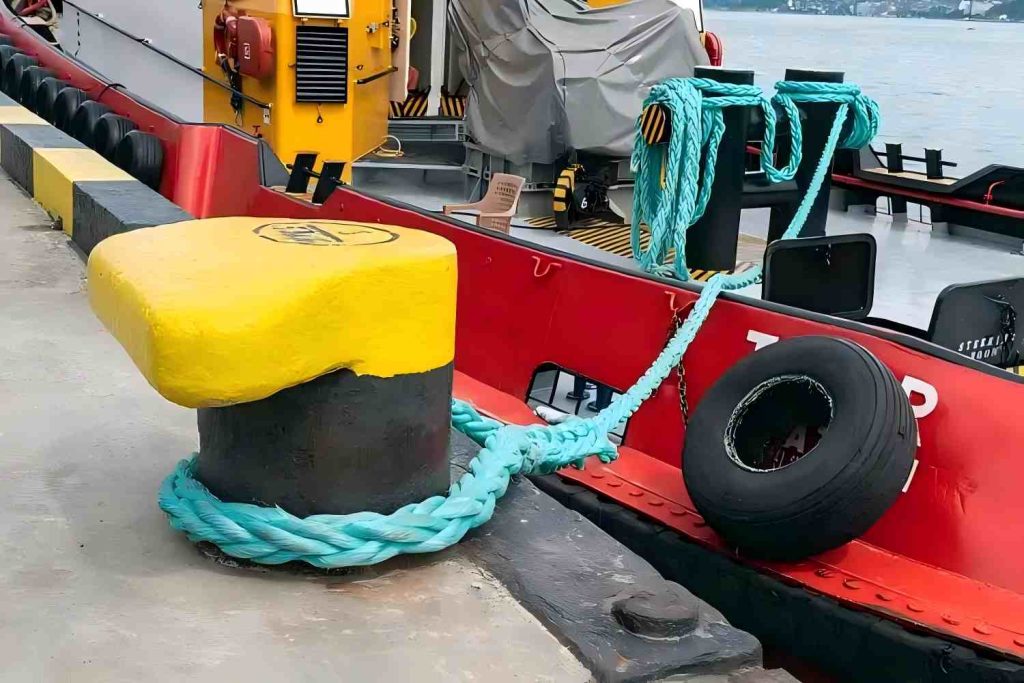
- Check line connections often: Whether you’re using marine bollards or boat cleats, make sure that lines are knotted tightly and that there are no frays or knots that could lessen the tension.
- Before inclement weather hits, install extra lines (that can hold the same amount of weight as your marine bollards or boat cleats) and tighten the ones you already have to manage the added stress.
- Check your hardware on a regular basis. For maritime bollards, check for loose anchor bolts, rust, or cracks in the post or the concrete around it. Check your boat cleats for loose bolts, rust on the surface, or bent horns. Check the dock itself as well for any shifting or sinking that could damage any mooring gear.
Knowing how to choose between bollards and boat cleats enables you lock in the last safety line for your boat, whether it’s a big cargo ship or a tiny ski boat for the weekend.
Don’t skimp on mooring gear or omit regular maintenance. Marine bollards and boat cleats are only as good as the care you give them. Always be on the lookout, make sure your gear is right for your needs, and keep your boat and dock safe every time you dock.
FAQ
Q1: Do marine bollards in locations with storms or high tides need extra support?
A: Yes. Extreme weather exacerbates mooring stress, so typical maritime bollards require additional anchor bolts, concrete reinforcement, or improved specifications to remain safe.
Q2: Is it possible for a dock to have both marine bollards and boat studs?
A: Yes, for sure. Marine bollards are typically used at commercial marinas for big boats, while boat studs are used for small boats, as long as the layout fits safety and load criteria.
Q3: Is it safe to put marine bollards on floating docks?
A: Only on floating docks with heavy-duty steel or pipe frames. Lightweight plastic and aluminium floats aren’t strong enough for marine bollards, but they work better for scattered boat studs.
Q4: How can I tell whether my boat cleats are strong enough?
A: Check three things: the length of the cleat matches the diameter of the line (1 inch of line for 1/16 inch of cleat), the load rating is higher than the maximum mooring force, and there are separate cleats for the bow, stern and shock lines. If the studs are bent or the bolts are loose, they are either too small or not put in correctly.