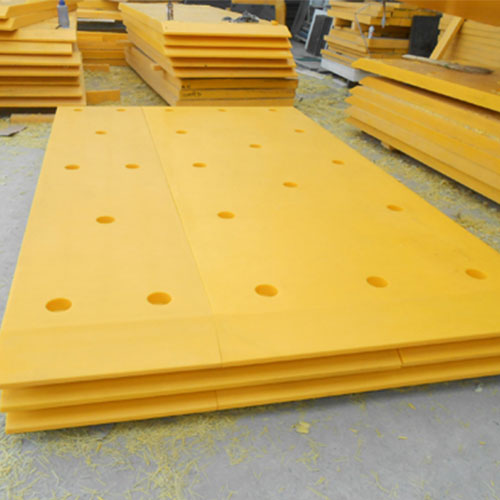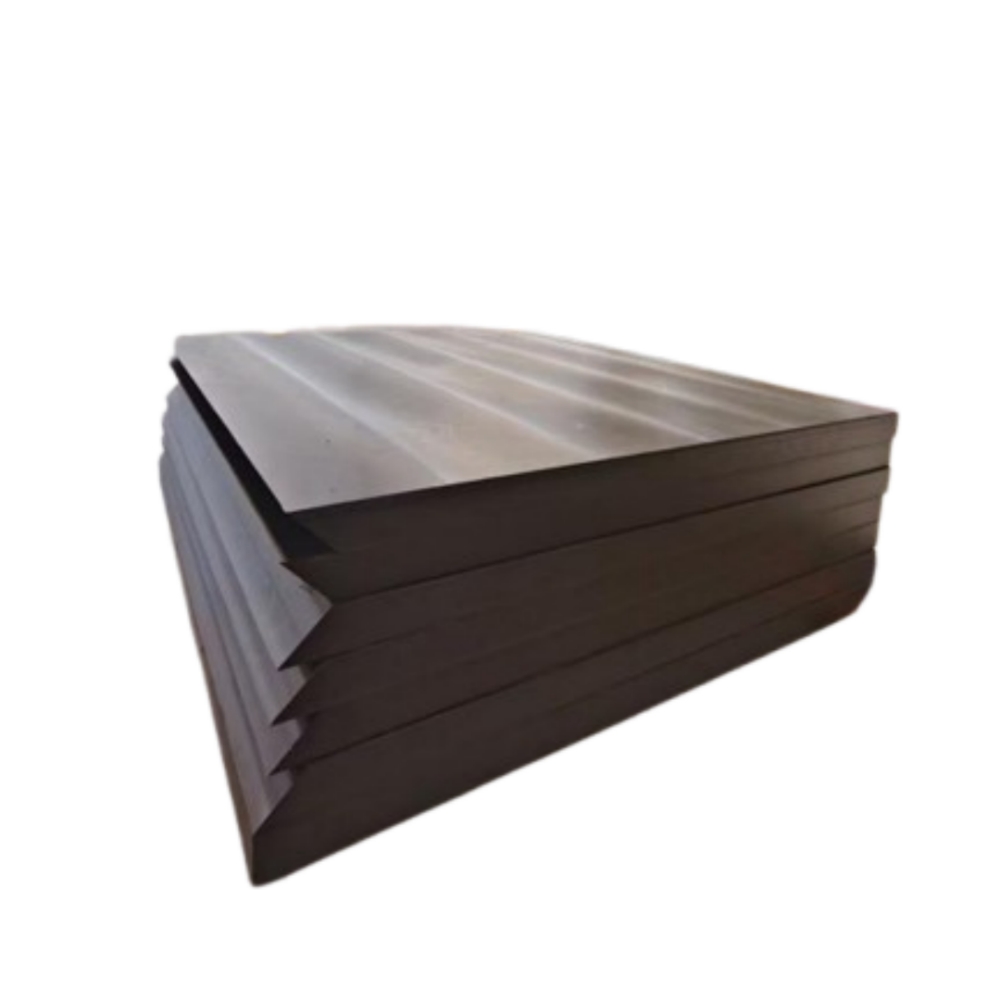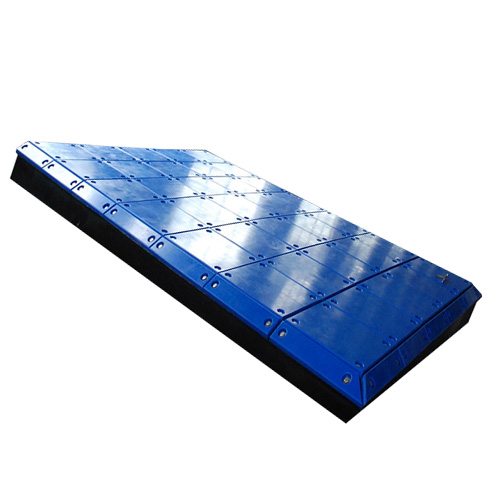
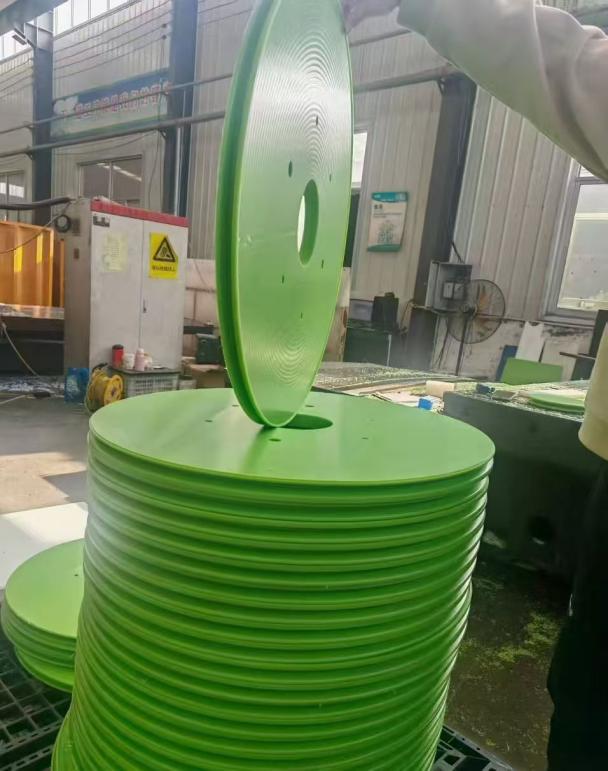
Marine Grade HDPE Sheet
- Material: High Density Polyethylene (HDPE)
- Density: 0.93–0.96 g/cm³
- Thickness: 1–150 mm (custom sizes available)
- Width Range: 1000–1500 mm, customizable.
- Service Temperature: Approx. -70°C to +90°C
- Electrical Insulation: Volume resistivity >10¹⁵ Ω·cm
- Yield Tensile Strength: 17 MPa
- Ultimate Tensile Strength: 40 MPa
- Water Absorption: ≤0.01%
- Sustainability: 100% recyclable
- Options: Available in different colors, sizes, and custom machining
HDPE (High Density Polyethylene) sheet is one of the most versatile and also fairly cost-effective engineering plastics you can get right now. It offers strong chemical resistance, solid impact strength, low moisture absorption, and good long-term durability. Because of that, HDPE sheets are used and trusted across many sectors, from chemical processing, to construction, food production, water treatment, and industrial manufacturing. In comparison with older materials like metal, wood, or fiberglass, HDPE gives a lightweight and maintenance-free option. That can help lower operating expenses, while also supporting longer equipment lifespan and steadier reliability.
At Boomarine, we’re committed to delivering high quality Engineering Plastic Sheet solutions for customers worldwide. If you need standard sheets, custom sizes, CNC-machined components, or solutions tailored to your project, our technical team can guide you in choosing the right material to deliver strong performance and value. Customers in marine, industrial, construction, environmental, and food processing sectors trust Boomarine, because we keep things consistent, offer competitive pricing, and stay responsive so your business can grow.
Specifications of HDPE Sheet
Common Dimensions
| Item | Specification |
|---|---|
| Thickness | 1–150 mm (commonly 2–20 mm) |
| Width | 1000–1500 mm (customizable) |
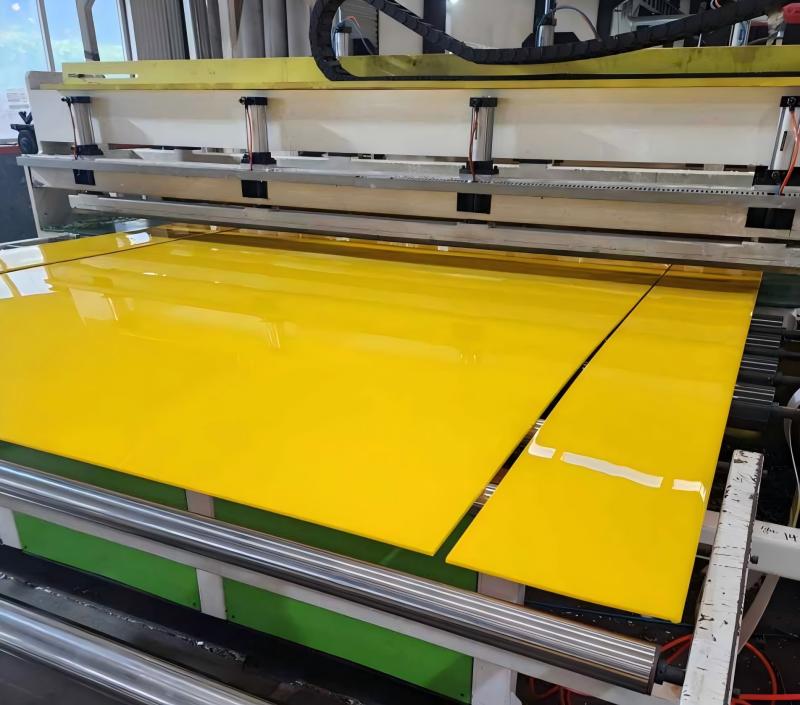
| Colors | White, black, blue, green, yellow, gray, custom colors |
Performance Parameters
| Property | Value |
|---|---|
| Density | 0.93–0.96 g/cm³ |
| Water Absorption | ≤0.01% |
| Yield Tensile Strength | 17 MPa |
| Ultimate Tensile Strength | 40 MPa |
| Vicat Softening Temperature | 80°C |
Key Properties of HDPE Sheet
- Chemical Resistance: Excellent resistance to most acids, alkalis, salts, and many chemicals, making it ideal for corrosive environments.
- Low-Temperature Performance: Maintains toughness at temperatures as low as -70°C to -100°C without becoming brittle.
- Electrical Insulation: High volume resistivity (>10¹⁵ Ω·cm) and dielectric strength (~45 kV/mm).
- Non-Toxic & Safe: Food-grade HDPE is odorless, tasteless, and suitable for direct contact with food and drinking water.
- Lightweight & Durable: Density around 0.93–0.96 g/cm³ with excellent toughness and impact strength.
- Very Low Water Absorption: Water absorption typically ≤0.01%, helping maintain dimensional stability.
Typical HDPE Sheet applications
- Marine and Port Engineering: Fender pads, dock panels, and vessel shield systems (low friction, impact protection), also keep things calm on contact.
- Chemical & Environmental: Tank linings, sewage tanks, acid/alkali neutralization systems, and laboratory equipment.
- Construction: Drainage boards, waterproofing membranes, tunnel liners, and roadbed base plates.
- Machinery Manufacturing: Hopper liners, sliding profiles, wear plates, cutting boards, and seals.
- Power & Communications: Cable protection pipes, electrical insulation parts, and utility conduits.
Selection Tips for HDPE Sheet
1. Choose thickness based on load requirements
Thin sheets (2–10 mm) for liners and covers; thicker sheets (20 mm+) for structural or heavy-wear applications.
2. Select UV-stabilized grades for outdoor use
For roofing, agriculture, and exposed installations, UV-resistant HDPE improves weather durability.
3. Use food-grade material for food or water contact
FDA-compliant grades are recommended for food processing equipment and potable water systems.
4. Consider chemical compatibility
HDPE resists most chemicals, but it is not suitable for strong oxidizing acids such as concentrated nitric acid.
5. Observe temperature limits
Continuous service temperature is generally recommended below 90°C to maintain long-term performance.