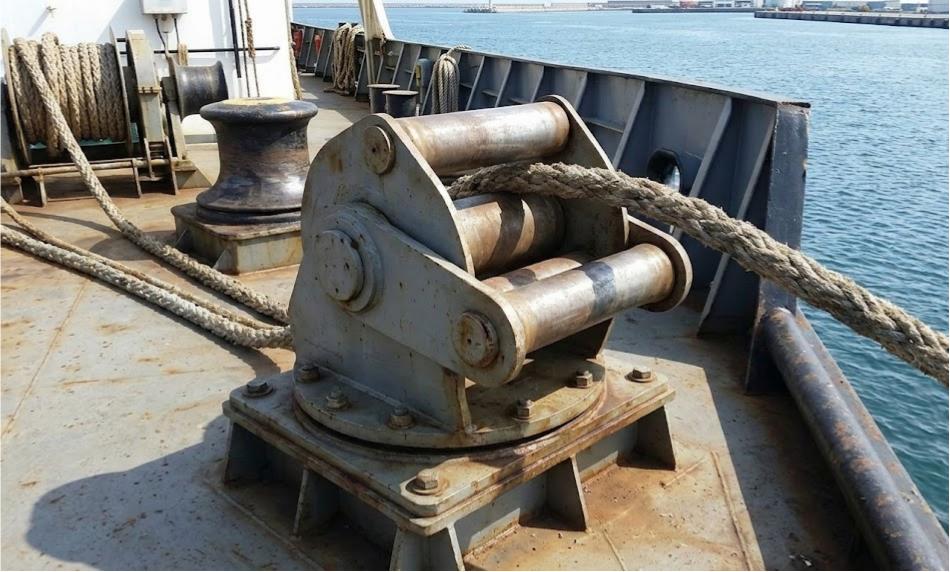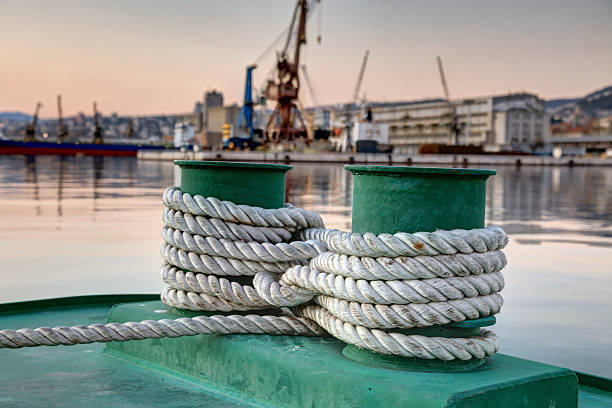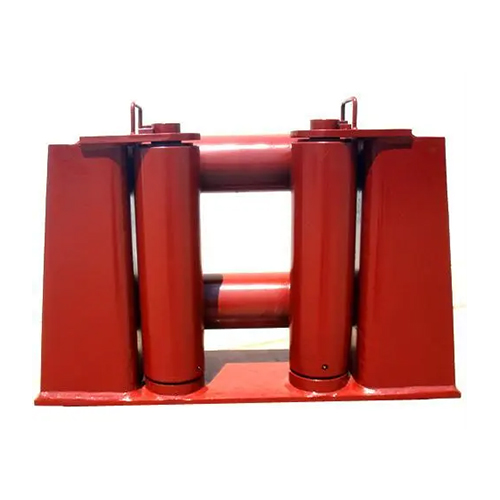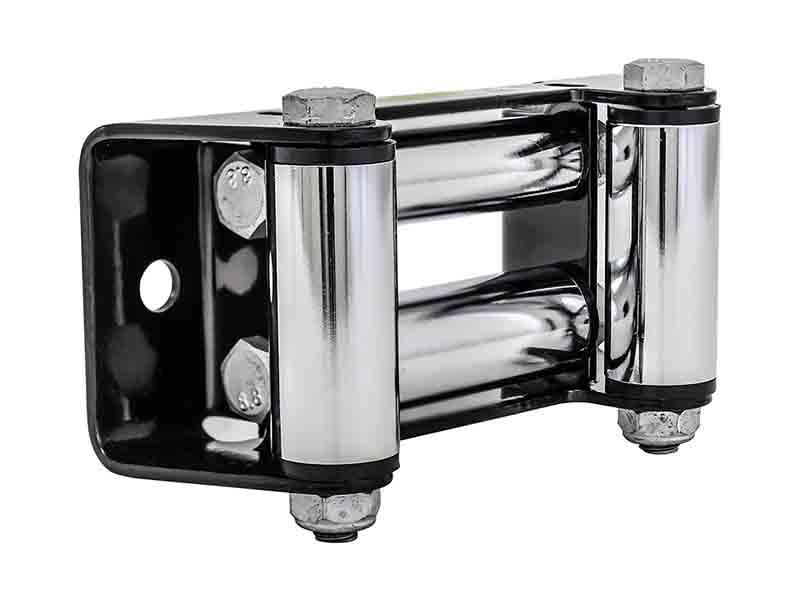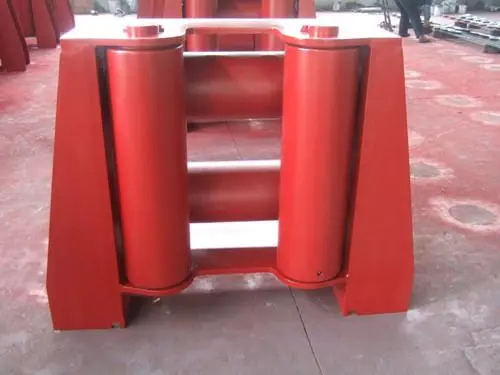
If you glance across a busy working deck, a Marine Roller Fairlead unit is one of those pieces that does not jump out at you. It looks simple enough. And sure, at first glance, it is just a bracket with some rollers in it. But do not let that fool you. That little assembly sits right in the middle of your mooring system, caught between a winch that is pulling hard and a rope that is heading out to sea. If it does its job, you barely notice it. If it does not, you will notice fast. The winch works harder. The rope takes more wear than it should and gives out early. In the worst case, you are looking at a real safety hazard on deck.
So how do you make sure you get it right? That is what we are going to walk through here. Nothing fancy. Just the stuff you actually need to know when you are picking one out, figuring out where it should live on deck, and keeping it alive for years.
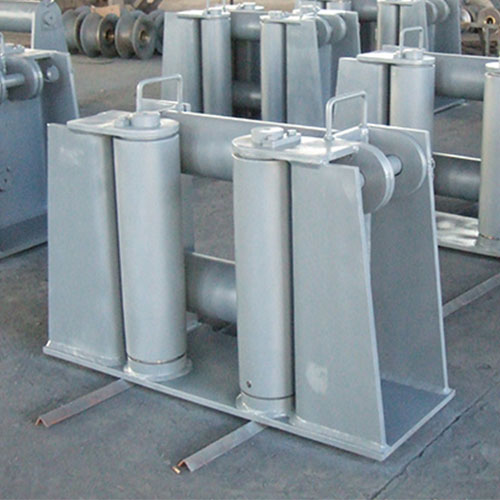
Step 1 – Roller Fairlead Winch: Which Fairlead Type Fits Your System?
First things first, start with the winch.
A fairlead does not work solo. Here is the way to think about it. The fairlead works as the winch’s partner. You would not select a trailer hitch without knowing the vehicle it was going on. The same principle applies here. The rope comes off the winch drum, passes through the fairlead, and then continues out to its working point. The winch provides the pulling force. The fairlead’s job is to guide the rope along the correct path, nothing more.
Now here is where a lot of folks go wrong. They pick a fairlead that looks beefy and call it a day. But if it does not match up with how the winch feeds the rope, you are asking for trouble. Is the winch mounted high or low? Does the rope come off straight or at a funny angle? All that stuff matters. The way that rope moves once it leaves the drum, that tells you what kind of fairlead you actually need. How many rollers? Should they run horizontal or vertical? That all depends on what that rope is doing between the winch and the water.
So once that rope comes off the winch, watch how it moves. That movement is your cheat sheet. It tells you everything. How many rollers do you really need? And should those rollers run sideways or up and down?
| If This Is Your Setup | You Will Want This | Here Is Why |
| Rope only swings side to side | Horizontal Roller Fairlead | The roller’s axle is vertical. It is built to handle forces pushing left or right. Pull the rope left, the roller spins left. Pull right, it spins right. |
| Rope angle changes up or down, like when the winch sits higher than the fairlead | Must include Vertical Rollers | These rollers have horizontal axles. They take the weight when the rope presses down or lifts up. Without them, the rope just grinds against the bottom of the frame. |
| Rope direction varies a lot, both side to side and up and down | Four Roller Fairlead | You get protection on all four sides. No matter how the rope moves, it stays cradled by rollers and never scrapes against the metal housing. |
| Rope absolutely cannot jump out, think heavy seas or offshore work | Closed Fairlead | A bar runs across the top, sealing the opening. Even if the line goes slack for a second, it stays trapped inside. |
| Frequent line handling, quick connect and disconnect | Open Fairlead | The top is open. You can drop the rope straight in from above instead of threading it through the end. Saves a lot of time during docking. |
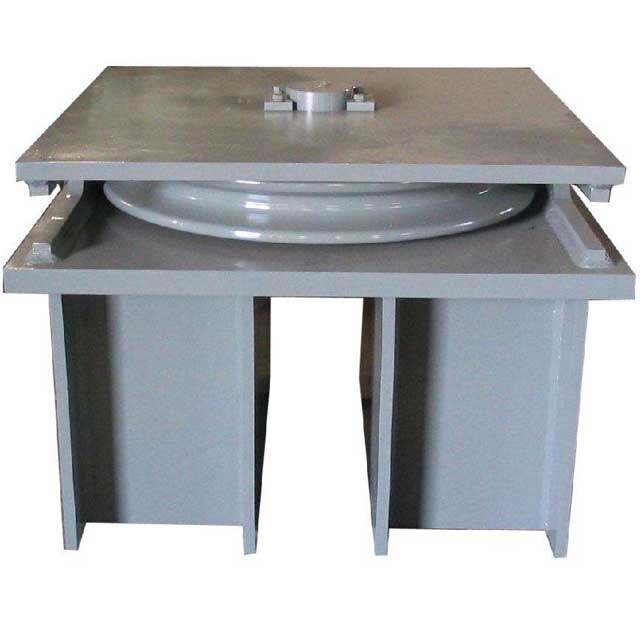
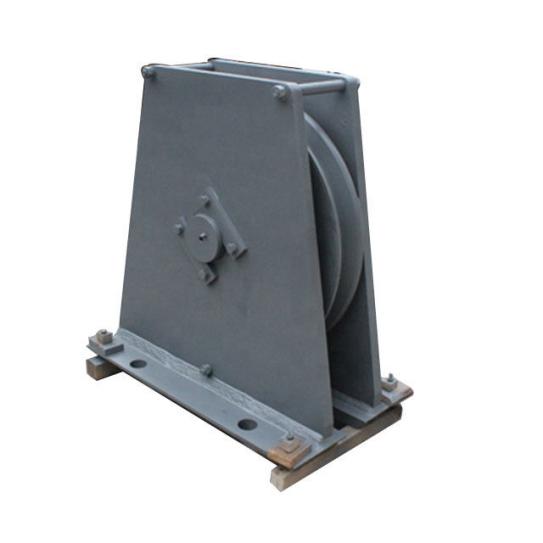
Do not forget about the load rating
The fairlead has to be able to handle more pull than the winch can dish out. Look at the nameplate. You will usually see SWL (Safe Working Load) or WLL (Working Load Limit). Either way, it is the same idea. Do not just eyeball the thing and think, yeah, that looks stout enough. That is a gamble you do not want to take. If that number is too low, the shaft inside the roller can bend under a hard pull. Once that shaft bends, the roller locks up. And a locked roller is just a fancy piece of metal your rope grinds against until it gives up. That rope will be toast before you know it.
Step 2 – Check the Standards: What JIS F 2014 and ISO 13755 Say About Quality
Why pay attention to standards?
A fairlead is a load-bearing piece of gear. If the quality is off, it is not just about a broken part. It is about the safety of the vessel and crew. Standards give you a shortcut. You do not need to be a metallurgist or an engineer to spot a good product. Just look for two specific numbers, JIS F 2014 and ISO 13755. If a fairlead references these, you can filter out a lot of the questionable stuff right away.
What do these standards actually cover?
They are not just fancy letters on a spec sheet. They cover three solid, practical details.
The Ratio of Roller Diameter to Rope Diameter (D/d Ratio)
When a rope wraps around a roller, it bends. The smaller the roller is, the tighter the bend and the more internal damage (bending fatigue) piles up. Engineers call this the D/d ratio. Standards set a minimum for this, depending on the rope type. For wire rope, you usually need a roller diameter at least 10 to 12 times the rope diameter. For synthetic rope, that number needs to be even higher. If a product follows the standard, you know that roller size was calculated using the right D/d ratio. It was not just a random guess.
Mounting Hole Location and Size
Fairleads that follow the same standard have matching bolt patterns. This is a big deal when you are swapping out old hardware. If the new fairlead matches the same standard as the old one, the holes line up perfectly. No need to haul out the welding gear or drill new holes in the deck. It is a true drop-in replacement.
How Safe Working Load Is Determined
When a product follows a recognized standard, that load rating number means something. It is based on a specific formula and backed up by testing. YSMarines provides units fully compliant with these benchmarks, supported by major IACS member certifications (such as ABS, LR, and BV). Without a standard to trace back to, the number might just be an estimate, or worse, completely made up.
Step 3 – Ask the Critical Question: Will the Roller fairlead Work with HMPE Synthetic Rope?
This is the question everyone asks these days. Can I use a roller fairlead with synthetic rope? The answer really comes down to whether you have dealt with synthetic fiber’s sensitivity to heat.
HMPE lines are light, crazy strong, and they do not soak up water or rust. But they have two big weaknesses. They hate heat and they hate abrasion. Traditional fairleads were designed with wire rope in mind. The Surface Roughness (Ra value) of those rollers might be up around 3.2 μm or even rougher. Wire rope could not care less about that. But HMPE fibers are incredibly fine. Any little burr acts like a razor blade. Run HMPE over a rough roller and in the best case, you get fuzzing and wear. Worst case, the friction heat builds up and the rope actually melts (HMPE melting point is only about 150°C). So this is a topic that needs its own deep dive.
The Verdict: Yes, you can. But you must meet these three conditions.
Condition | Why It Matters | How to Check |
| The roller must spin freely | HMPE fibers cut easily. In professional terms, the Surface Roughness (Ra value) should be no higher than 0.8 μm. In plain English, think mirror finish. | Run your hand over the roller. It should feel like touching glass. No snags, no drag. |
| The roller diameter must be large enough | A stuck roller means the rope slides over it instead of rolling with it. Dry friction between HMPE and metal can generate enough heat to melt the line in seconds. | Give the roller a spin with your hand. It should glide around several times before stopping smoothly. |
| Roller diameter must be large enough | HMPE is more sensitive to bending fatigue than wire. It needs a gentler curve to keep that D/d ratio in the safe zone. | The roller diameter should be at least 8 to 10 times the rope diameter. For a 20mm line, aim for a roller diameter of 200mm or more. |
Here is another detail that trips people up: The roller gap.
When you really put the boots to an HMPE line, it squashes down a bit. Gets a little wider, a little flatter. If the space between the roller and the side plate is too generous, that flattened section can worm its way into the crack. Once it is in there, it gets pinched (the nipping effect). Or worse, it gets sliced up like a razor cut.
Good design prevents this. You want that gap nice and tight—think less than 1/10th of the rope’s diameter. Keep it snug. That way the rope stays put on the roller where it belongs.
How does Boomarine handle this?
- The contact surfaces on the rollers get a high-precision polish to meet synthetic-compatible Ra values.
- The gap between the roller and the frame is engineered specifically for synthetic rope specs to prevent pinching.
- We offer both cast and fabricated options with low-friction bearings and high-quality seals for long-term rotational freedom.
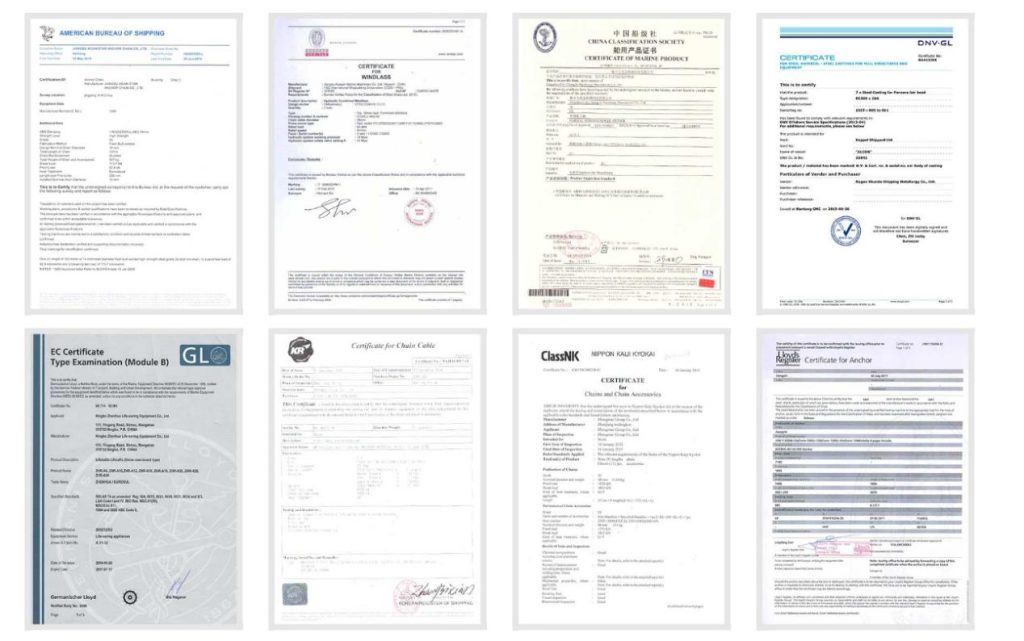
You can get from us the best services, professional suggestions, good quality products and competitive prices if you would like to cooperate with us. The CCS, ABS, DNV, BV, NKK, KR, LR, GL, and RINA are also available for the marine products.
Step 4 – Get the Position Right: Where on Deck Should the Fairlead Go?
Why worry so much about placement? Get the position wrong and all the careful selection you just did counts for nothing.
If the fairlead is too close to the winch, the rope comes onto the drum at a steep angle. That messes up the spooling. The wraps pile up on top of each other or leave gaps, and that causes wear and crushing. Put it too far away and you are just wasting deck space.
The Golden Rule: Keep the rope path as straight as possible.
The section of rope running from the winch drum to the fairlead should have the smallest possible deflection. This angle is what engineers call the Fleet Angle.
For the horizontal fleet angle: You want to stay under about 1.5 degrees if your drum is grooved, or under 2 degrees if it is a smooth drum. Go wider than that and the rope will not lay down neatly on the drum.
For the vertical fleet angle: Keep it level. Try to avoid sharp pulls upward or downward. If the angle is too steep, the rope will just wear against the top or bottom edge of the fairlead opening.
How far away should it be?
Here is a quick rule of thumb. Measure your winch drum length. Multiply by 1.5. That is how far away the fairlead needs to be, at a minimum. Got a 600 millimeter drum? Put the fairlead at least 900 millimeters out.
Accessories you might need
| Accessory | When You Need It |
| Pedestal / Base | Use this when the winch rope exit is at a different height than the fairlead mounting surface. It shims everything up to keep that fleet angle flat. |
| Stiffener / Doubler Plate | Use this when the deck plate is thin. You weld this underneath to spread out the stress. |
| Bollard / Cleat | Use this when you need an intermediate fixing point. |
Step 5 – Keep It Working: Simple Maintenance That Extends Fairlead Life
Why bother with maintenance? A fairlead sits out there in the weather. Salt spray, waves, baking sun. If you ignore it long enough, the rollers seize up and the smooth surface gets pitted and rough. To ensure you select the best manufacturer who supports long-term upkeep, always check their maintenance documentation.
A quick look before every job
| What to Check | What is Normal | What to Do if It Is Not Right |
| Roller spins freely | Give it a flick with your hand, it should spin several revolutions. | If it sticks, check the grease nipples and bearings. Clean or replace them. |
| Roller surface condition | Run your finger over it. Should be slick. No scratches or rust blooms. | If it has light scratches, use fine sandpaper. Deep grooves or rust pitting mean you need a new roller. |
| Bolt tightness | Give it a tug with a wrench. | Grab a torque wrench and bring it up to the spec sheet number. |
| Frame condition | No visible cracks. | Any crack means stop using it immediately. |
Every few months, do this:
- Go over all the mounting bolts with a torque wrench.
- Grease the roller bearings using a waterproof marine grease.
- Rinse the whole assembly down with fresh water to remove salt and grit.