Choosing the right anchor at sea is crucial for the safety of a vessel in all navigation scenarios. We not only show you the types of anchors, but also analyze the internal and external factors that influence anchor selection, helping you choose the best anchor based on multiple aspects such as the size of the ship, cruise type, seabed conditions and weather challenges.
1. Common Marine Anchor Types
1.1 Stockless Anchor
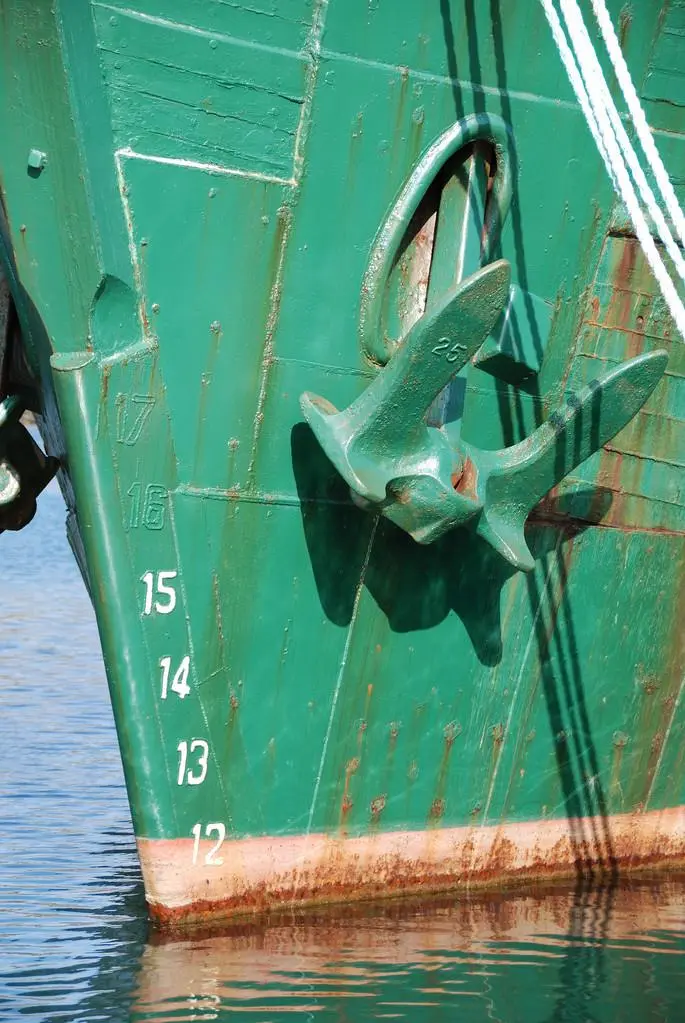
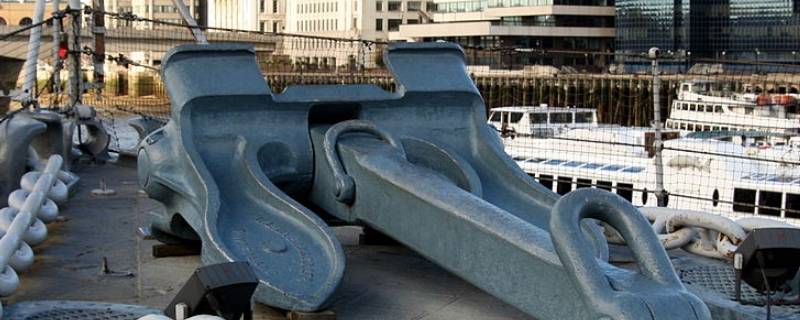
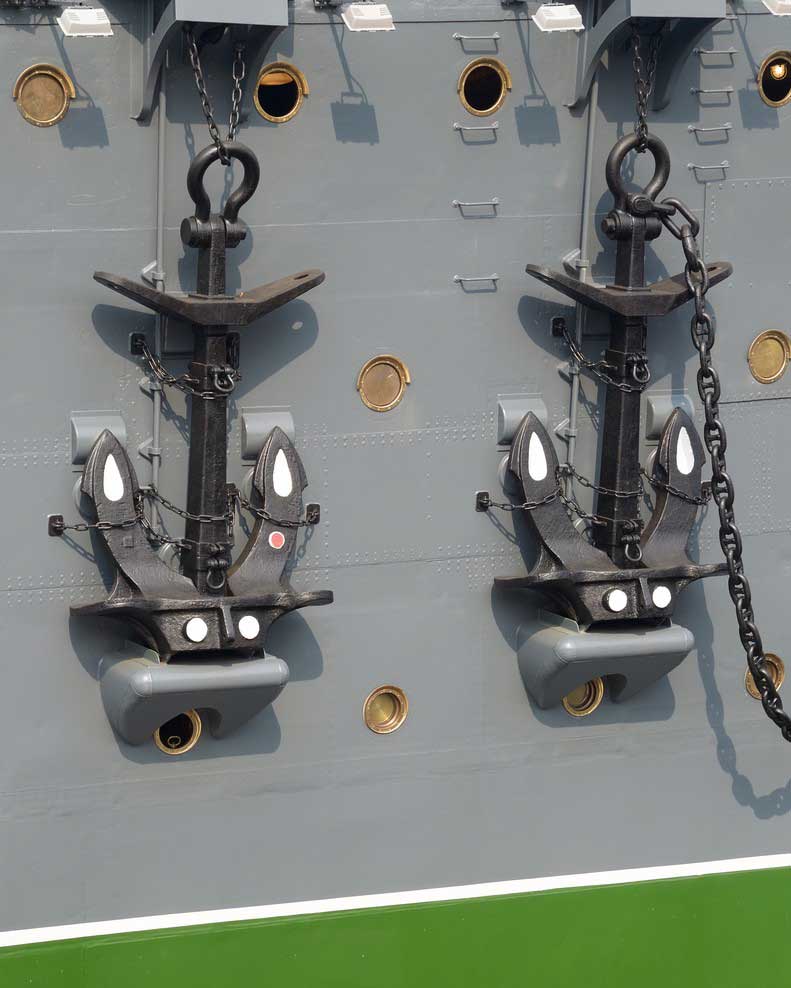
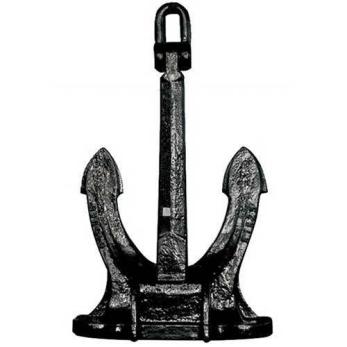
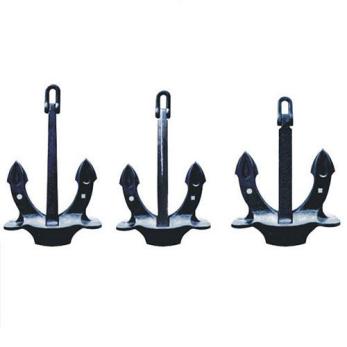
Stockless anchor is used for various types of small boats and the commercial shipping industry. The most common and popular stockless anchor type is hall anchor type A, B, C, speck anchor type M, JIS stockless anchor, etc. As a classic boat anchor type, it features a simple structure without a stock, making it easy to store and operate. Its key advantage is its ability to stow flat and its reliable performance in various seabeds.
1.2 High Holding Power (HHP) Anchor
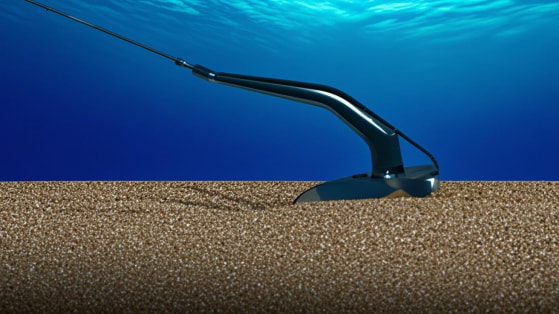
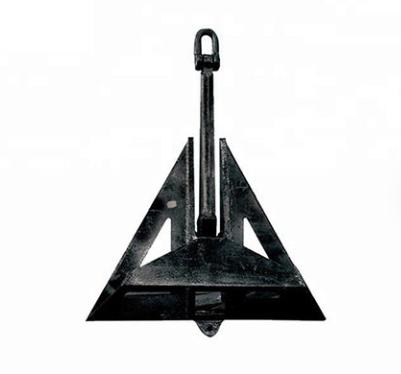
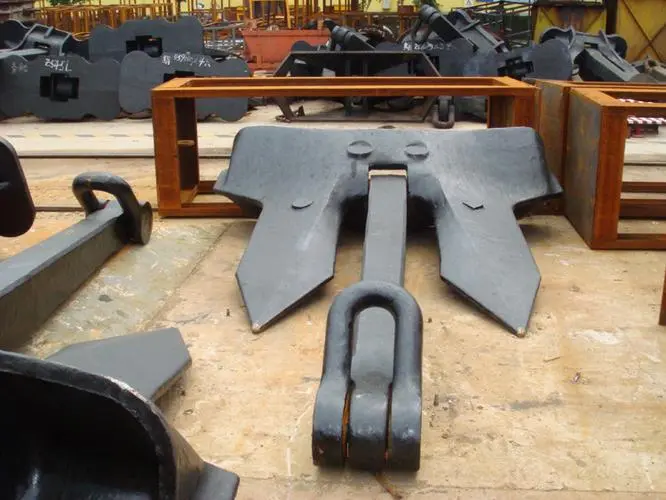
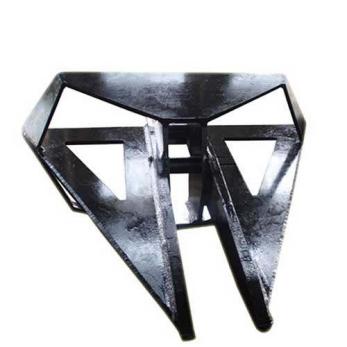
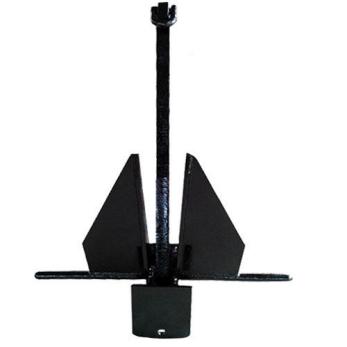
High holding power anchor has two types: Stock HHP anchor such as Danforth anchor and stockless HHP anchor such as AC-14 anchor. It is widely used for dredging, offshore mooring, fish farming, and yachting operations. High holding power anchor delivers exceptional holding power and adapts well to diverse seabeds, making it a top choice for offshore navigation and vessels facing strong winds and currents.
1.3 Yacht Anchor
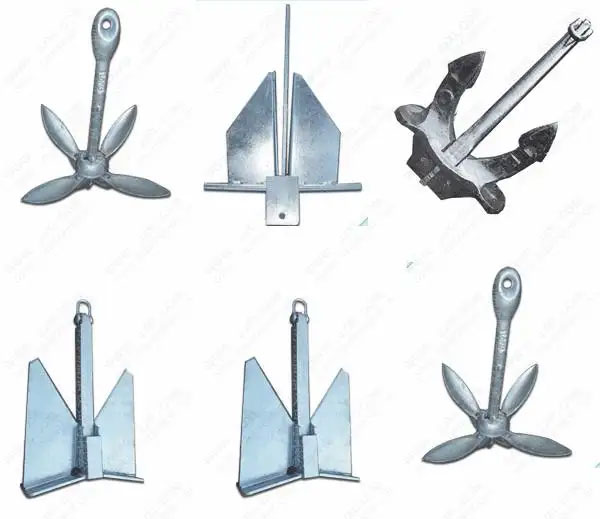
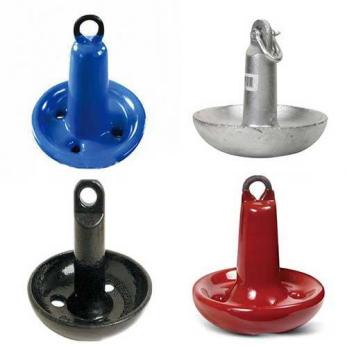
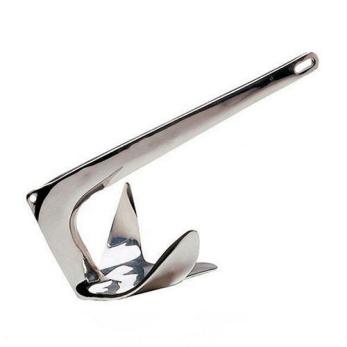
Yacht anchor has specialized designs like grapnel anchor, river anchor, folding anchor, mushroom anchor, four-fluke and three-fluke anchor. It is often made from stainless steel for a combination of strength, corrosion resistance, and aesthetics. Yacht anchors are engineered for the specific needs of recreational boaters, balancing performance with practical storage on smaller decks.
2. Internal Influencing Factors for Marine Anchor Types Selection
2.1 Material Selection
- Stainless Steel
Stainless steel anchor offers excellent corrosion resistance in saltwater and a sleek finish, lightweight strength and low maintenance. Stainless steel is an ideal choice for yacht anchors and small boat anchors. Drawback: Higher upfront cost.
- Hot-Dip Galvanized Steel
If your budget is limited, hot-dip galvanized steel anchors are practical, as the zinc coating can resist corrosion in freshwater and mild saltwater environments. Hot-dip galvanized steel anchor offers great impact resistance. Drawback: Zinc layer requires regular maintenance to prevent wear.
- Aluminum Alloy
Ultra-lightweight, non-magnetic and corrosion-resistant, ideal for kayaks/dinghies and anchor for a small boat temporary calm-water anchoring. Easy to handle, but low tensile strength limits use to light-duty scenarios.
- High-Strength Carbon Steel
Industrial-grade, heat-treated for unmatched hardness and load capacity, suited for offshore platforms or permanent moorings. Needs epoxy coating to prevent rust. Extremely heavy—unsuitable for recreational boats.
2.2 Boat Length and Weight
This is your starting point. An anchor’s holding capacity must match your vessel’s displacement and windage. Manufacturers provide sizing tables based on boat length. Using an undersized anchor is a major safety risk, while an oversized one is unnecessarily cumbersome. To cope with harsh environments, it is safer to appropriately choose a slightly larger Boat anchor.
2.3 Holding Power
Holding power refers to the anchor’s ability to resist being pulled out of the seabed. High Holding Power anchors are designed to maximize this trait, making them a top choice for boaters who prioritize stability. When evaluating types of anchors, always check the holding power rating relative to your boat’s weight—this is the key to avoiding drift in varying conditions. The holding power of modern anchors can reach 5 to 200 times their own weight.
2.4 Certification and Quality
For peace of mind, look for anchors that are certified by major classification societies like ABS, LR or DNV. This independent approval verifies the anchor’s design, material, and manufacturing quality, ensuring it meets rigorous international standards for performance and safety.
Internal factors form the fundamental basis of marine anchor selection. Material types balance corrosion resistance, cost and applicability; boat length and weight determine anchor size matching; holding power is the core indicator of anti-drift capability; authoritative certifications guarantee product quality and safety compliance.
3. External Influencing Factors for Marine Anchor Types Selection
3.1 Marine Anchors for Different Navigation Types
- Boat anchor for coastal cruising
Coastal cruising is in sheltered, calm waters with gentle currents. Vessels are mostly small to midsize, emphasizing convenience and reliability. The HHP Danfoss anchor can provide a strong holding power in sandy and muddy substrates, making it highly suitable for the limited storage space and manual operation of such vessels. Folding anchors save space for ultra-small boats.
- Boat anchor for offshore cruising
Offshore cruising is in open but not extremely harsh waters. Seabed conditions are diverse, requiring anchors with strong anti-jamming and versatile holding power. Sbeck anchors are a reliable choice. The HHP Danfoss anchor can be used as the main anchor to provide excellent grip. If you often work in rocky or multi-reef areas, the anti-jamming and robustness of Bruce claw anchors are the top choices.
- Boat anchor for long-distance cruising
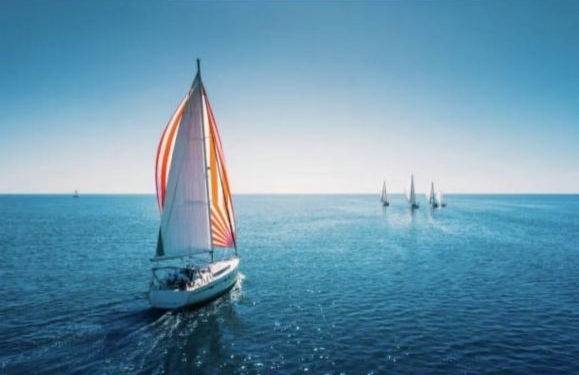
Long-distance cruising exposed to harsh conditions. Seabed environments vary drastically, demanding anchors with ultra-high holding power, durability and all-terrain adaptability. For ocean-going yachts and small merchant ships, Sbeck and Hall stockless anchors are classic and reliable choices. The Bruce claw anchor is renowned for its all-terrain adaptability and is a reliable choice for many ocean sailors. Large merchant ships can choose the AC-14 HHP anchor.
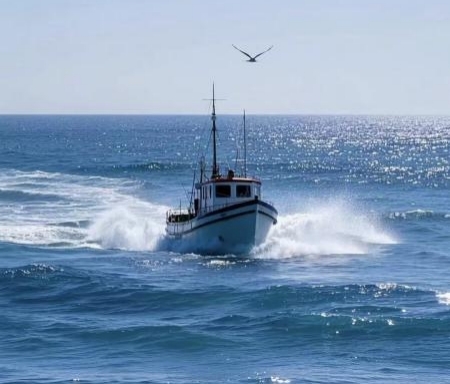
3.2 Bottom Conditions and Weather Conditions
Bottom conditions can affect which anchor type works best, because different seabeds allow anchors to penetrate, hook, or grip in very different ways.
- Sand: The best substrate for most anchors. The loose and cohesive structure allows anchor flukes to penetrate deeply. Recommended anchors: HHP Danfoss anchors, Delta Wing HHP anchors, plow anchors.
- Mud: Easy to penetrate, but the holding power is lower and can be scoured by current. Use longer anchor chain to increase tension, and avoid lightweight anchors. Recommended anchors: Fluke anchors, stockless anchors.
- Rocky/reef: The most challenging substrate—anchors cannot penetrate and can only hook onto rock crevices. Prioritize anchors with strong anti-jamming and hooking capabilities. Recommended anchors: Bruce claw anchors, heavy-duty claw anchors.
- Gravel: Moderate holding power; anchors may slip between gravels. Choose anchors with wide flukes to increase contact area. Recommended anchors: Yacht rollbar anchors, HHP anchors.
In terms of the weather, harsher weather conditions demand anchors with higher holding power and durability, while mild weather allows for the use of lighter, more convenient anchor types.
3.3 Anchor Chain and Anchor Scope
The anchor chain and scope are critical companions to your marine anchor. The chain adds weight to help the anchor set properly, while scope (the ratio of chain length to water depth) determines how much horizontal pull the anchor receives. A scope of 3:1 works for calm waters, but rough conditions demand a 7:1 ratio or higher. Even the best boat anchor won’t hold if paired with a poorly sized chain or incorrect scope.
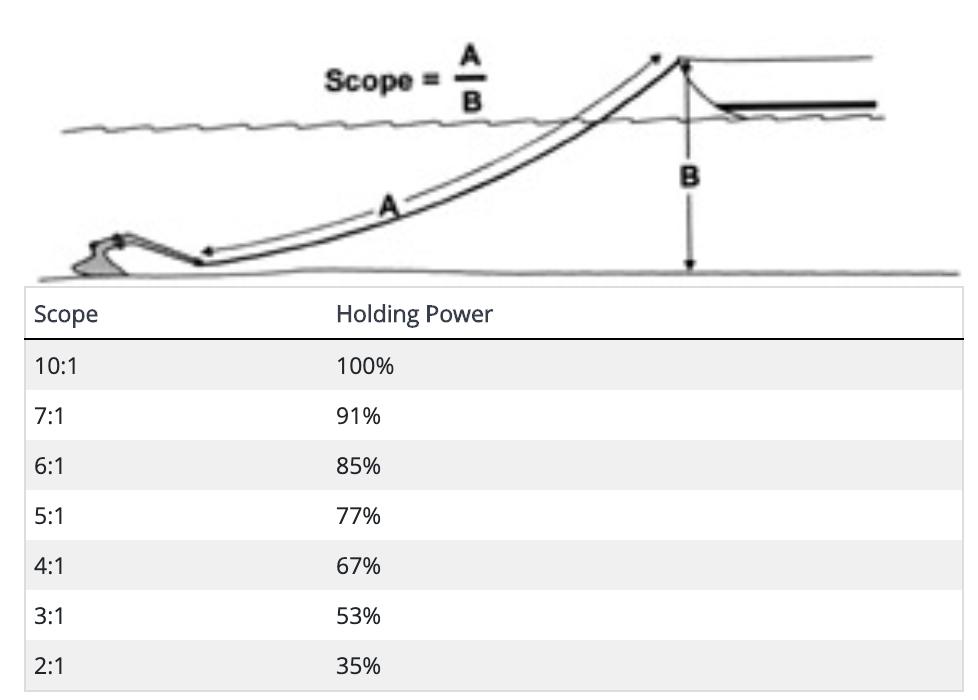
External factors are the critical premise for anchors to exert stable performance. Different cruising types (coastal, offshore, long-distance) require tailored anchor types; seabed conditions (sand, mud, rock, gravel) demand matched anchor structures for optimal grip; weather dictates anchor performance requirements and scope ratio adjustments. Reasonable matching of external conditions ensures stable anchoring and prevents vessel drift.
4. Frequently Asked Questions
A1: What anchor type is best for my boat?
When choosing an anchor, there are many key factors, including the size and displacement of the ship, the bottom and weather conditions, holding power, materials, etc. You need to consider comprehensively and select the anchor that best suits you
A2: How do I pick the right marine anchor manufacturer?
Look for a marine anchor manufacturer that provides certified products with clear performance ratings. As a leading global supplier, YSmarines offering a comprehensive range of high-quality anchors to meet every need. Their products are known for performance, durability, and certified quality.
A3: What is the appropriate length of anchor chain?
The general rule is to use 1/8 to 1/6 of your boat’s overall length in chain, plus a longer length of anchor rode. For example, a 30‑foot boat would typically use 4–5 feet of chain with 150–200 feet of rode. For offshore or heavy‑weather use, a longer chain (up to 1/4 of the boat’s length) is recommended for added security.
A4: Which anchor material is best for saltwater use?
Stainless steel is ideal for saltwater due to its superior corrosion resistance, durability, and low maintenance. For budget‑conscious users, hot‑dip galvanized steel also provides good protection against rust in most marine environments.