When considering procuring or designing a vessel’s mooring system, many shipowners and marine engineers ask a core question: what is the essential difference between a Panama chock and a closed chock?
From the outside of the structure, a Panama chock often also has an enclosed rope passage. Such a situation can easily lead to people assuming that the two are simply different names for the same fitting, or even defaulting to treating them as directly interchangeable in all operating conditions. However, the two are not the same in international standards, design aims and applicable situations. Selecting a chock based solely on appearance can result in specification mismatches, making design scrutiny or compliance confirmation more challenging.
In this essay, we explore three basic questions: Is a Panama chock a sort of closed chock? What are the real differences between the two in terms of design standards, technical specifications and practical use? Under what conditions may a closed chock be a compliant substitute for a Panama chock?
Before considering any replacement option or procurement decision, a full awareness of the standard differences among marine mooring chocks and the total mooring load requirements is the basis for assuring the safe operation of deck equipment.
Is a Panama Chock a Type of Closed Chock?
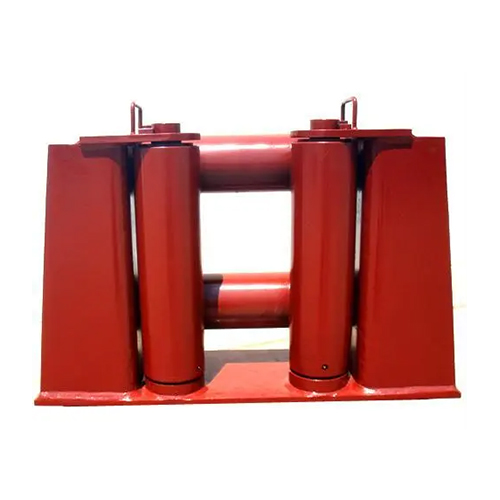
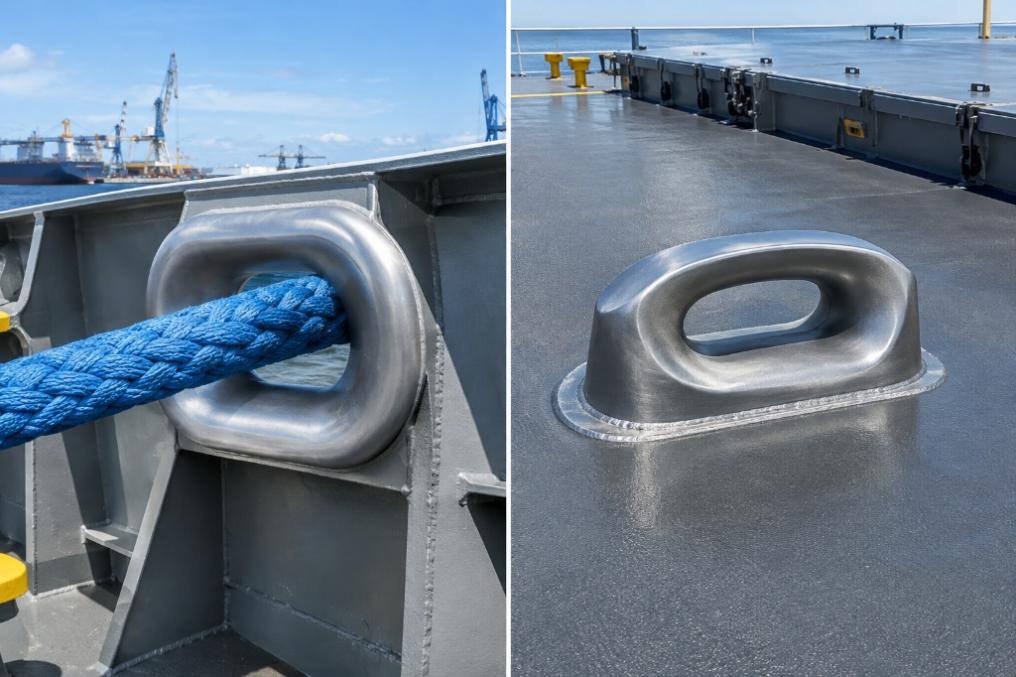
Both Panama chocks and closed chocks may have enclosed rope passage. You can’t tell from appearance whether they’re equivalent or not. The useful distinction is the standard to which each fitting is designed. ISO 13728 covers Panama chocks and ISO 13729 covers closed chocks.
This distinction matters when specifying replacement equipment. Similar shapes or dimensions do not, by themselves, establish that two chocks meet the same design requirements or are interchangeable in a particular vessel’s mooring arrangement.
Panama Chock vs. Closed Chock: What Actually Differs?
The table below highlights the key characteristics influencing the equipment selection, to enable the procurement personnel and maritime engineers to visually examine the technical and regulatory differences between the two:
| Comparison Dimension | Panama Chock | Closed Chock |
| Applicable standard | ISO 13728 | ISO 13729 |
| Design & dimensional requirements | Verify that the type, opening dimensions and rope contact geometry comply with ISO 13728 | Control type, opening size and rope contact geometry in strict accordance with ISO 13729 |
| Intended usage | For guidance of mooring and towing lines, specifically including Panama Canal transit and lock mooring requirements | Used to direct mooring and towing lines, applicability is decided by traditional ship mooring design and appropriate standards |
| Replacement conditions | The standard has replacement notice clauses for certain vessel types and certain rated loads | Cannot be directly assumed to replace a Panama chock; independent compliance verification against design criteria is required |
Standards and Intended Use
ISO 13728 and ISO 13729 respectively specify the type, nominal dimensions, materials, manufacturing process, and marking requirements for their respective equipment:
ISO 13728 specifically addresses Panama chocks intended to meet Panama Canal transit and related mooring and towing requirements.
ISO 13729:2020 specifies the type, dimensions, materials, structure, manufacturing, and marking requirements for closed chocks used for ship mooring and towing.
It is important to distinguish between these standards to ensure that a particular chock fits the vessel’s stated requirements. Each standard defines the requirements for its component, including size, structure and other defined features. A closed chock appears like a Panama chock, but it does not inherently meet the conditions that apply to a Panama chock. Any proposed substitution must therefore be judged against the vessel’s relevant standard and design documentation.
Dimensions and Safe Working Load
A few of the main elements to consider when considering certain selection parameters include:
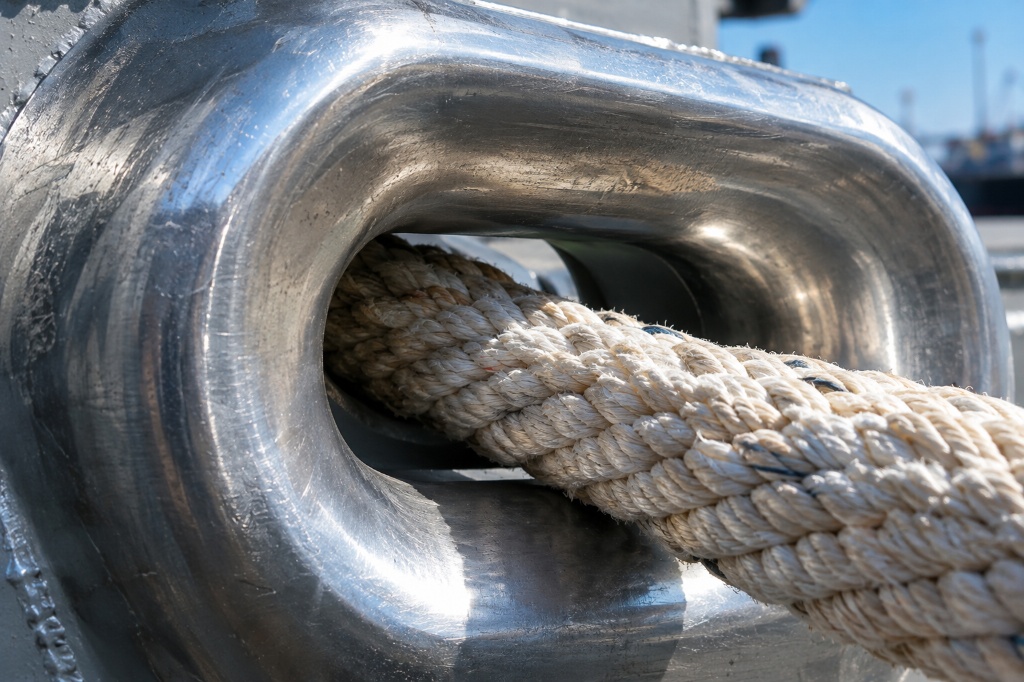
Opening dimensions and rope compatibility: Ensure that the internal geometry of the chock fits the stipulated diameter of the mooring rope or wire rope and provides a compliant bending radius.
Load direction and installation conditions: The actual applicability of the equipment depends on the specified load direction, rated capacity (SWL), and the supporting structure below. Check the applicable standard and the manufacturer’s drawings rather than assuming that two chocks with similar dimensions have equivalent load-bearing performance.
Distinguish between standard SWL notes and actual manufacturer SWL: During actual selection, it is essential to distinguish between the rated load referenced in standard clauses and the actual SWL series provided by a specific manufacturer in its product manual, for example, the specific SWL values for each model provided by YSmarines, and to use the rated value required by the vessel’s design drawings as the governing basis.
Mounting and Installation Requirements
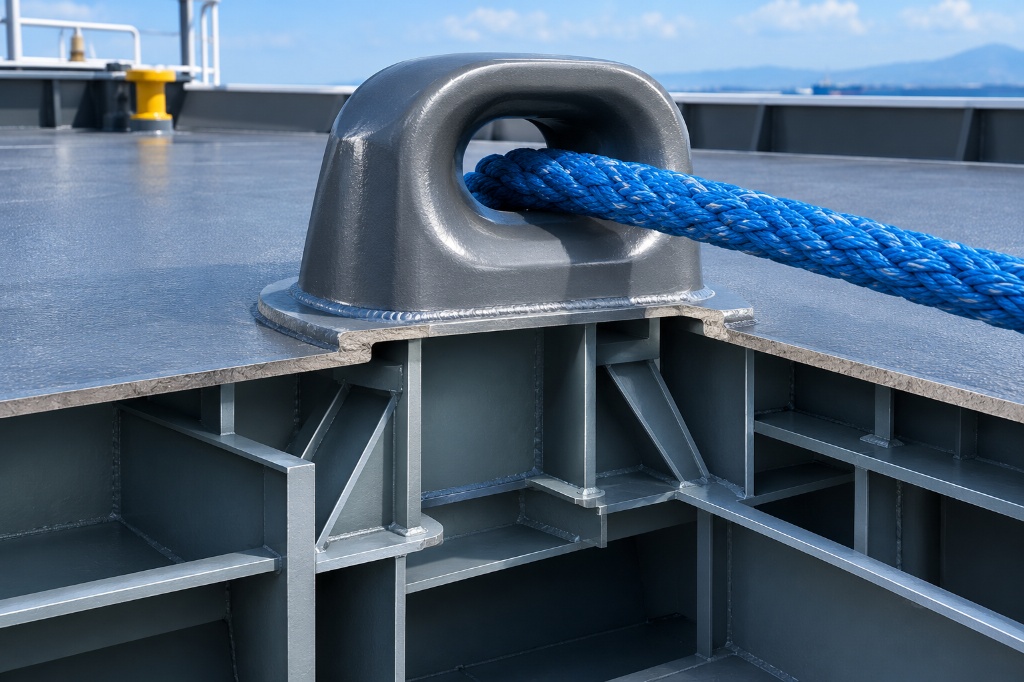
Chock installation is generally divided into deck-mounted and bulwark-mounted arrangements:
The rated SWL of the chock body does not mean that the final installed structure can withstand the same load. When the equipment is loaded, the load is transmitted through the base to the hull structure.
In actual engineering practice, structural engineers must be involved in evaluating the actual load-bearing capacity of the deck base, bulwark stiffening brackets, and underdeck reinforcement.
Whether selecting an ISO 13728 Panama chock or an ISO 13729 closed chock, the engineering team should verify that the selected model’s dimensions, rated capacity, and mounting arrangement match the vessel’s design requirements.
Can a Closed Chock Replace a Panama Chock?
This is the most practical question shipowners care about during vessel conversions or equipment replacement.
Core Conclusion
A closed chock may replace a Panama chock in specific circumstances, but the substitution must be supported by the applicable standard and vessel design requirements.
Standard-Specified Exception
ISO 13728:2020 includes a specific substitution provision for Panamax Plus and Neopanamax vessels. The standard states that Panama chocks with a safe working load (SWL) of 90 tons can be replaced by closed chocks complying with ISO 13729.
For vessel types explicitly covered by the above standard note (Panamax Plus / Neopanamax) and the specific 90 tons SWL specification, engineers may evaluate a closed chock replacement option complying with ISO 13729 based on that clause.
General Substitution Cases
For cases outside the specific note above, the clause cannot be directly extended to all vessel types, other SWL ratings, or any closed chock. When evaluating replacement options, the following boundaries must be observed:
Check design papers. Replacement equipment shall completely meet the SWL and multi-directional load criteria of the original vessel mooring study report.
Confirm Canal and authority approvals If the replacement option includes Panama Canal transit or class adjustments, it still has to be confirmed to comply with the current requirements of the Panama Canal Authority (ACP) and to receive written confirmation from the appropriate authority or Class Society.
How to Choose the Right Chock for Your Vessel?
To ensure that selection both meets regulatory requirements and fits actual engineering conditions, procurement teams are advised to confirm the following in order before placing an order:
Confirm operational and canal transit requirements: First, verify whether the vessel is involved in Panama Canal transit or specific mooring and towing regulations. Confirm the equipment type according to canal regulations, design documents, and approval requirements; if a replacement option is considered, check whether it meets the specific conditions specified in the standard.
Check SWL and load conditions: Against the vessel’s mooring design drawings, verify the required SWL, rope type, load direction, and manufacturer-specified operating conditions, and confirm that the selected model is suitable for the specified operating conditions.
Check mounting base and hull support: Verify how the chock is mounted, deck or bulwark mounted and check the base dimensions, welding requirements and underdeck reinforcement with structural plans.
Review technical paperwork and certificates: Review product manufacturing drawings, material certificates, SWL marking, inspection certificates and certification documents required by the project or class society.
Final Thoughts
You may see very little difference in the outside structure of Panama chocks and closed chocks, but they should not be considered totally equal simply because they seem alike. The relevant standards (ISO 13728 and ISO 13729), vessel operating requirements, SWL ratings, rope compatibility and deck mounting foundation are the main criteria that decide if replacement is possible and how to choose the right model. In particular, replacement clauses in standards contain stringent limiting restrictions and should not be applied indiscriminately to all vessels and models.
For vessel projects involving Panama chock or closed chock selection, Boomarine provides options manufactured to different marine fitting standards. The appropriate model should be confirmed against the vessel’s design requirements, specified SWL, installation arrangement, and any applicable approval requirements.