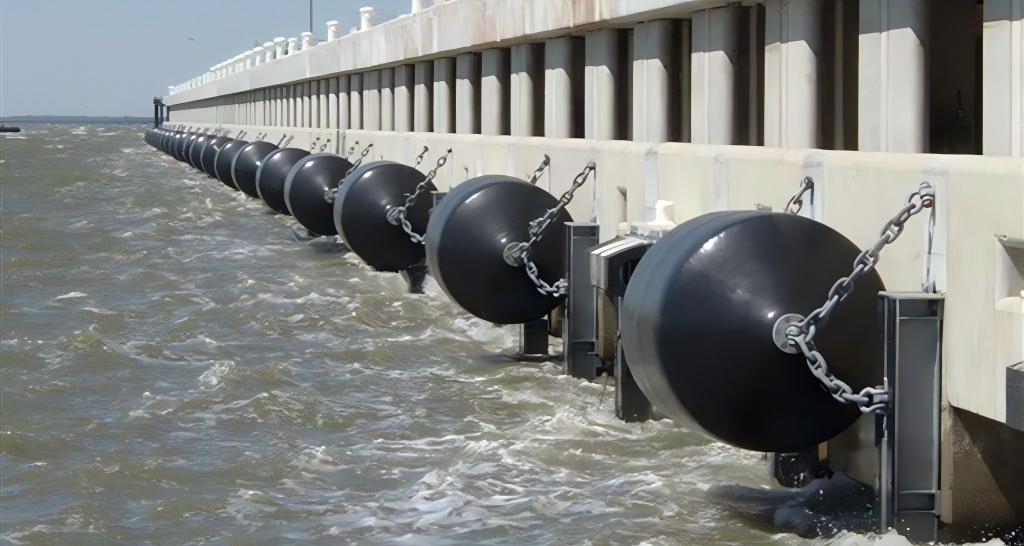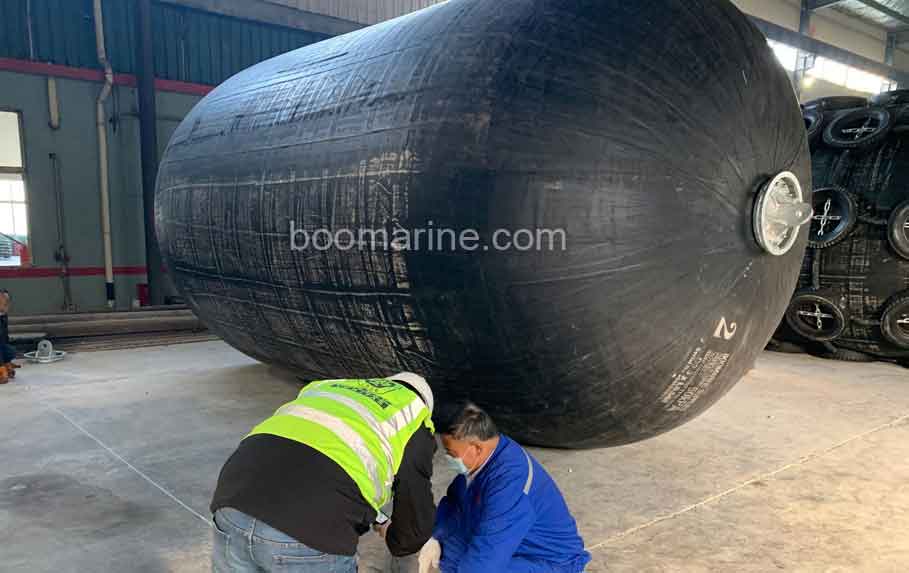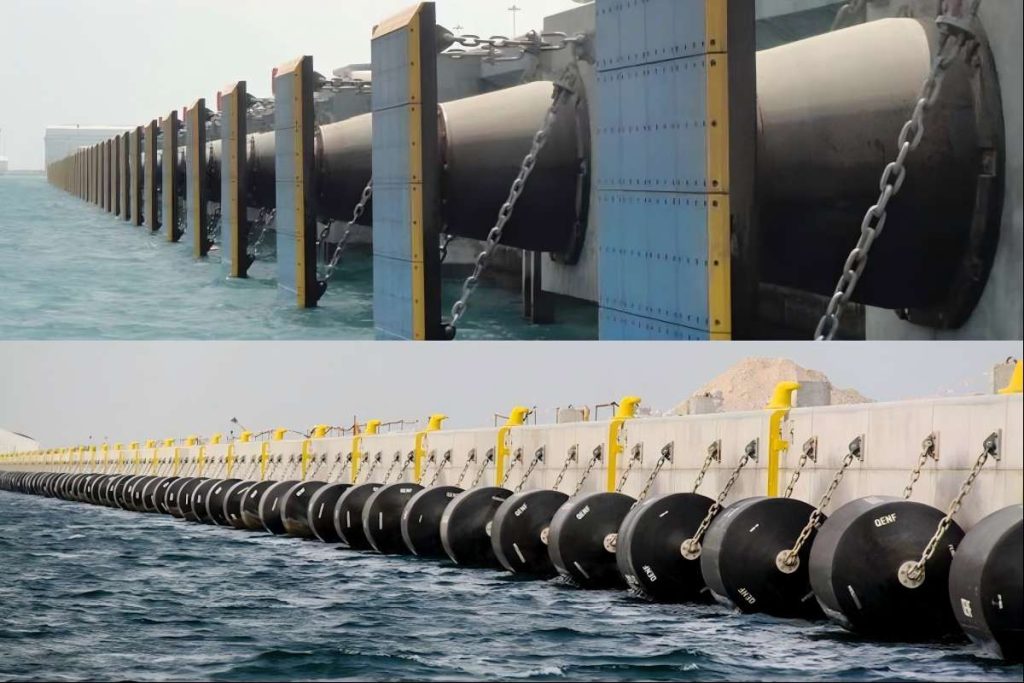
A rubber fender silently resting at the dock might not garner much notice, but when it breaks the repercussions can be costly: hull damage, structural stress and unanticipated downtime that upsets a whole business. People ask about how long a fender will last more often than you’d think, but there’s usually not a clear response.
In this guide, we’ll take a look at five main factors that directly affect the service life of rubber fenders, as well as a practical inspection reference to help you decide when to take action.
How Long Do Marine Rubber Fenders Usually Last?
There is no one figure that will be right for all situations. A marine rubber fender may remain in service for many years under moderate operating conditions, while fenders exposed to frequent or severe berthing loads may require replacement much sooner. The actual service life depends on the fender design, operating conditions, environment, installation and maintenance.
So, when people ask how long rubber fenders last, the right answer is to look at the full picture: rubber quality, berthing loads, environmental conditions, installation, and maintenance. These five factors shape a marine fender’s actual lifespan more than the product specification alone. A weakness in any one of them can quietly shorten the life of an otherwise well-made fender.
1. Rubber Quality
The base material is the foundation of everything. Natural rubber and well-developed synthetic materials show varied performance profiles in terms of elasticity, UV resistance and fatigue tolerance. Lower quality materials may appear OK initially but tend to harden, break or lose their ability to absorb energy more quickly under real operating conditions.
Quality of the rubber compound is characterized by few core parameters. They are tensile strength, elongation at break and hardness. These are not random specs. These properties help characterize the rubber compound and its expected mechanical behavior, but they should be considered together with the fender design and application requirements. Lower grade compounds may pass the first checks, but tend to harden or crack sooner under real operating circumstances over time.
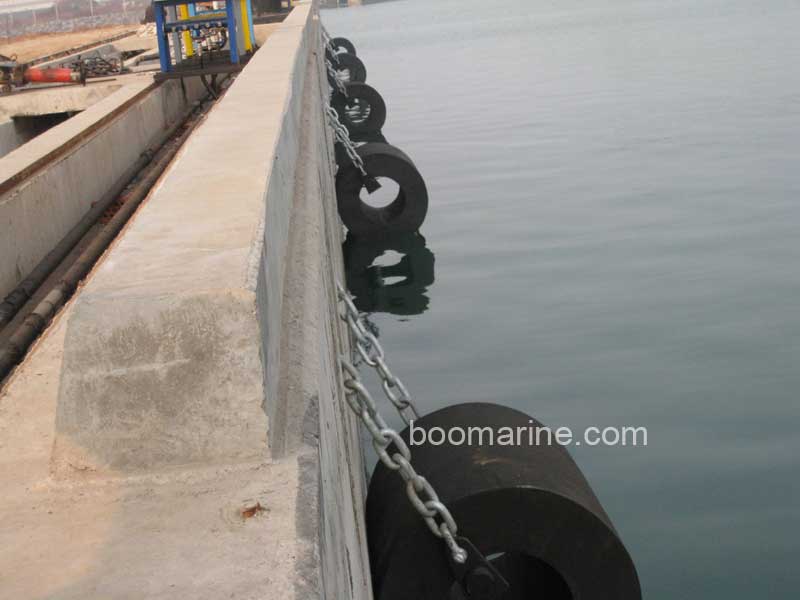
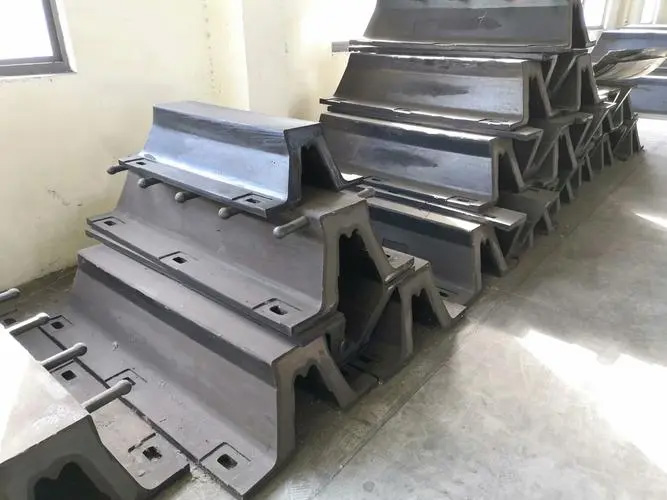
Boomarine offers a range of marine rubber fender types, including cylindrical fenders, arch fenders, cell fenders, D-type fenders and so on, with rubber material options matched to different application demands. Selecting the right compound from the start is one of the most reliable ways to get a longer and more predictable service life.
2. Berthing Frequency and Impact
A fender made for infrequent contact with a vessel is substantially different from one made for everyday heavy-duty use. The more often it is berthed, the more cumulative compression cycles there are. Repeated berthing creates repeated loading cycles, and frequent or severe loading can accelerate fatigue and wear over time. Larger vessels and higher berthing speeds can generate greater berthing energy, placing higher loads on the fender system.
If vessel traffic or ship size has increased at your facility since original fender selection, the present set-up may no longer correspond to the actual operating load and accelerated wear is an expected result.
3. Marine Environment
Where a fender operates has a real effect on how quickly it ages. Some common environmental influences are:
- UV exposure: Direct sunlight slowly destroys rubber, which leads to surface hardening and cracking over time.
- Temperature extremes: Prolonged exposure to high temperatures can accelerate rubber aging, while very low temperatures can make some rubber compounds less flexible.
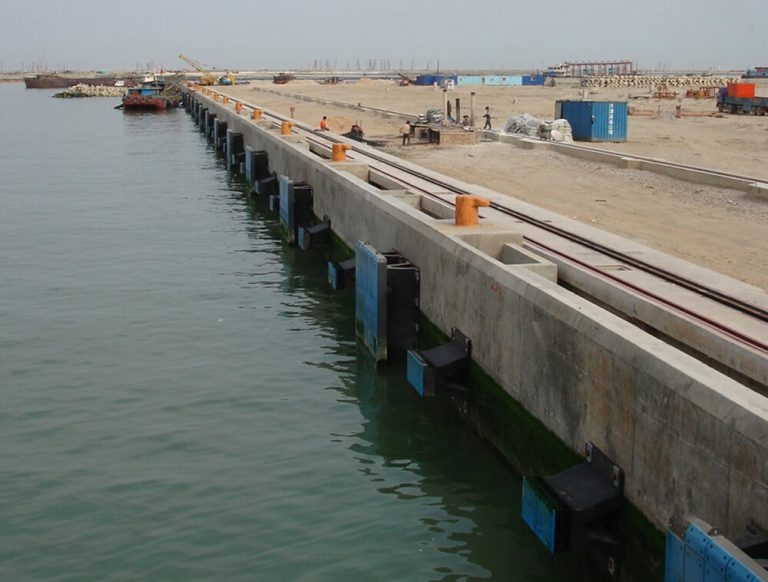
- Tidal splash zones: Frequent wet-dry cycling can accelerate surface aging, especially when combined with UV exposure and other environmental stresses.
- Chemical contamination: Ports dealing with petroleum, solvents or industrial cargo may expose fenders to compounds that hasten the deterioration of material.
Facilities located in tropical regions or with large seasonal variations tend to age more rapidly than facilities located in more temperate locations.
4. Installation
Even a good grade fender can perform poorly if it is not placed correctly. Because of bad alignment, load sharing is not even. Some areas of the fender are under significantly more stress than they should be. Incorrect bolt torque, inappropriate backing structure or mismatched hardware can cause early failure, sometimes in the first few years.
One of the simplest and least expensive methods to protect the long-term functioning of a fender system is to get the installation right from the outset.
5. Maintenance and Inspection
Maintenance of rubber fenders often falls by the wayside but it doesn’t have to be complex. Routine visual inspections, cleaning and hardware checks can reveal early indicators of difficulty before they become structural problems. The trick is to be consistent.
Use the chart below as a fast reference guide for your routine checks:
| What You See | What It May Indicate | Recommended Action |
| Small surface cracks | Possible aging, ozone/UV exposure, or surface deterioration | Monitor and inspect regularly |
| Deep cuts or tears | Mechanical damage | Assess promptly |
| Severe abrasion | Excessive friction or sliding | Check operating conditions |
| Permanent deformation | Over-compression, repeated loading, or material aging | Check fender performance |
| Loose fixings | Installation or structural issue | Tighten/repair promptly |
Keeping a maintenance log over time makes it much easier to see subtle changes that may not be apparent on a single check.
Should You Replace a Rubber Fender Based on Age Alone?
Age is a useful guide, but not the complete picture. Just because a particular number of years have passed does not mean that a properly kept fender, still operating within acceptable boundaries, has to be replaced.
In some cases, internal deterioration or fatigue may not be obvious from a visual inspection alone, which is why condition assessment should consider both visible damage and actual fender performance.
To optimize the performance of a marine rubber fender, it is a matter of combining a couple of things consistently, starting with the right material, the perfect installation, and simple maintenance over time. None of these measures are especially taxing, but they do combine to make a substantial difference in the longevity of a fender’s safety and effectiveness.
If you are considering your existing fender system or specifying fenders for a new project, Boomarine’s team is ready to help assess the requirements and recommend a practical solution. Contact us to discuss your project.