A damaged fender pad might not look like a big deal at first glance. But in a busy port, a worn facing pad can quietly cause hull abrasion, increase berthing risk, and shorten the service life of the entire marine fender system sitting behind it. The surface-level protection these pads provide is easy to overlook until something goes wrong.
This guide walks through how to recognize the signs your fender pads need replacing, why UHMW-PE has become the go-to material for fender facing, and how to carry out a proper replacement. Whether you’re handling a routine inspection or dealing with visible damage already, the goal here is practical, experience-based insight that actually helps.
Signs Your Fender Pads Need Replacement
Not every scratch on a fender pad signals a crisis. Surface scuffs from regular vessel contact are completely normal, and chasing every minor mark would be a waste of resources.
The real concern is when the wear starts affecting how the pad actually performs. Here are three signs to look out for during maritime fender maintenance inspections:
- Visible Gouging and Deep Scratches: Light scuff marks are normal, but deep gouges compromise the structural integrity of the pad leading to unpredictable friction when berthing vessels. If you run your palm across the surface and you feel distinct grooves, then the pad has definitely worn to unsafe levels.
- Increased Berthing Friction: If ships are snagging or contacting each other more roughly than normal, the facing pad has probably lost its low-friction qualities. This is one of the earlier signs of fender wear, and it often gets misread as a vessel handling or tidal issue, but the pad itself is the culprit.
- Warping or Hardware Exposure: When the pad wears down enough to expose mounting bolts, it poses an immediate hazard to both the vessel and the underlying marine rubber fender. At this stage, delaying marine fender repair is not an option.
- Noticeable Thickness Loss: The pad surface is slowly worn away through frequent contact with vessels over time. If the pad is substantially thinner than it should be, it may not be providing appropriate protection and should be checked to see if it needs to be replaced.
Catching these signs early and knowing when to replace fender pads saves far more money and disruption than waiting for visible structural failure to force the decision.
Why UHMW-PE Has Become the Standard Material for Fender Pads?
A decade or two ago, many ports still relied on timber or standard plastic for fender facing. That’s largely changed.
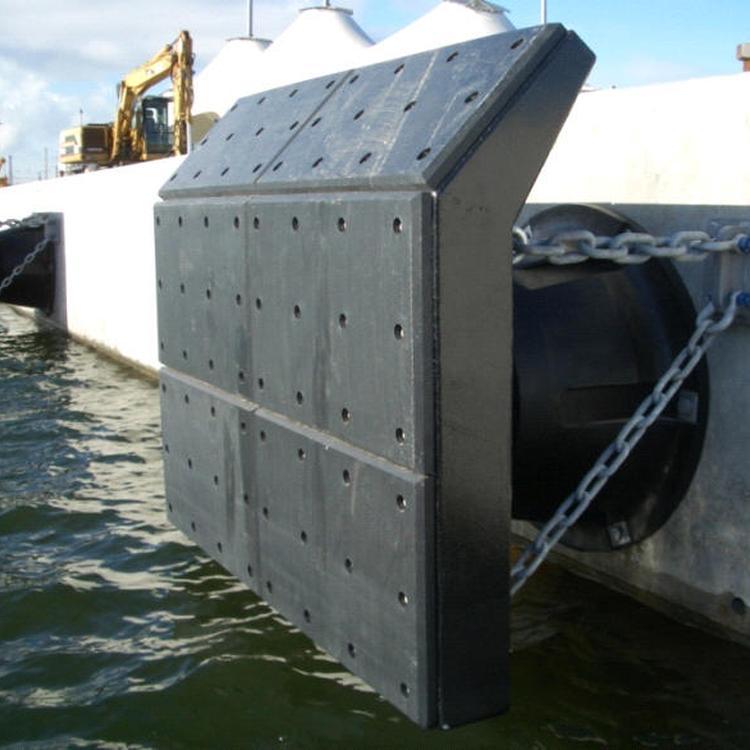
Ultra-high-molecular-weight polyethylene (UHMW-PE) is the material of choice for current maritime fender systems and for good reason. It’s not a marketing ploy, the physical qualities of this material are in fact perfectly suited to the needs of a port environment.
What UHMW-PE Fender Pads Actually Do in a Marine Fender System?
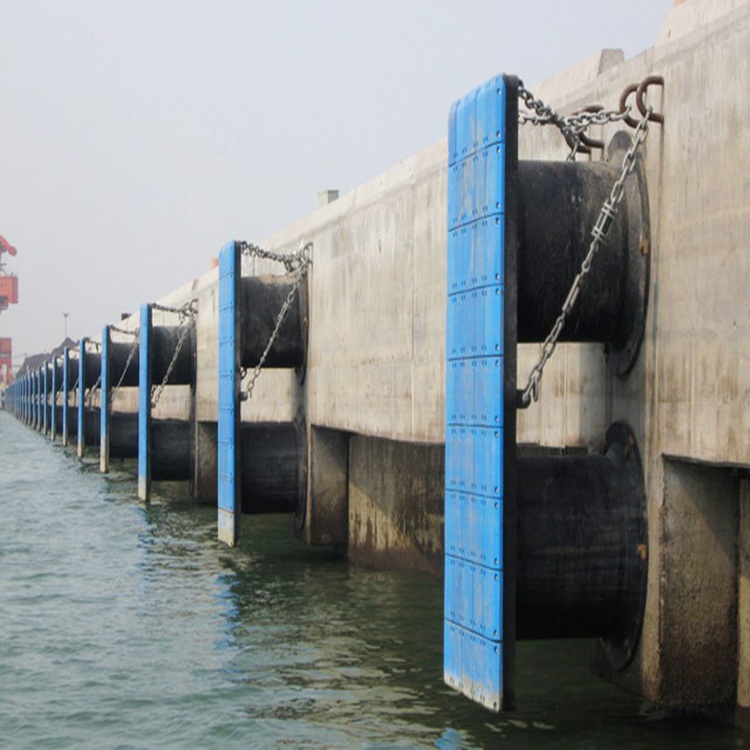
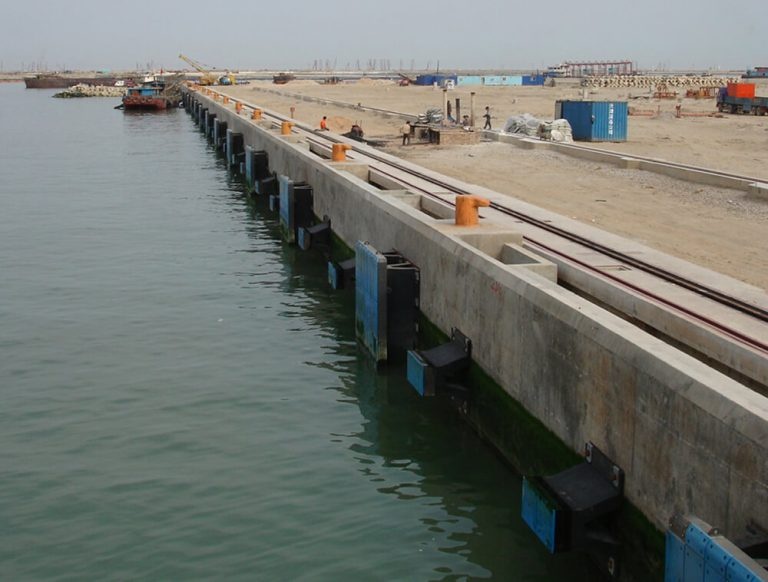
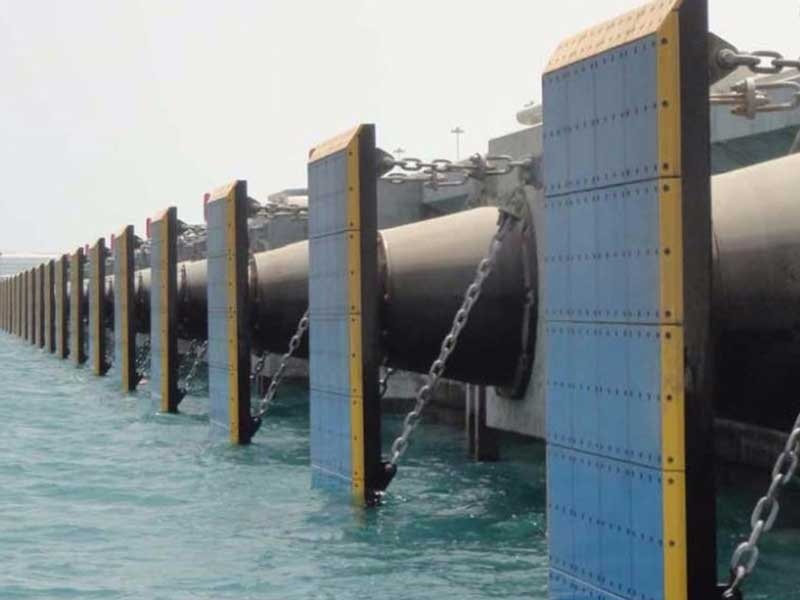
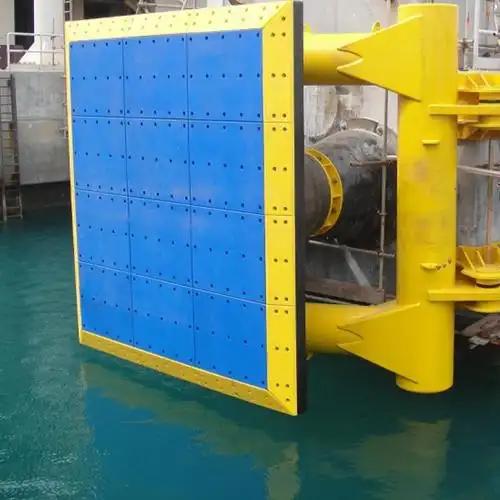
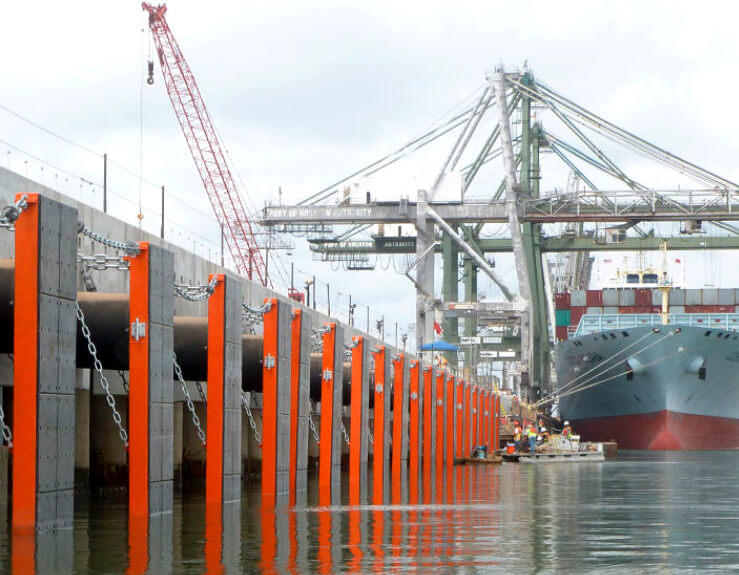
The role of UHMW-PE marine fender pads goes well beyond simply covering the front of a rubber fender body. They define the quality of every vessel interaction with the dock, and they take on the wear so the more expensive components underneath don’t have to.
- Ultra-Low Friction Coefficient: UHMW-PE allows ships to slide freely over the surface of the fender, thereby decreasing shear forces on the dock structure underneath. This is especially true in ports with dense ship traffic where the cumulative frictional stress quickly accumulates.
- Unmatched Impact Strength: Even in freezing temperatures or under extreme pressure, these panels resist cracking and splintering. Unlike timber, no grain direction could split under repeated loading. The material behaves consistently regardless of impact angle.
- Excellent Chemical Resistance: Unlike wood or inferior polymers, UHMW-PE does not swell, rot or degrade in the presence of marine borers, oil spills or severe salt water. In practice, this means significantly less reactive marine fender maintenance and a longer usable life per installation.
To put the material differences in concrete terms, the table below compares the three most common fender facing options:
| Features | Traditional Wood | Standard Plastic | UHMW-PE Sheet |
| Friction Coefficient | High | Medium | Extremely Low |
| Wear & Impact Resistance | Low (Prone to splintering) | Medium | Exceptionally High |
| Water Absorption | High (Prone to rot) | Low | Zero |
| Typical Service Life* | 2-5 Years | 5-8 Years | 15+ Years |
*Actual service life depends on vessel traffic, frequency of berthing and environmental conditions.
A single installation of UHMW-PE fender pads can last for a 15-year cycle life, exceeding several replacements of timber and conventional plastic, while delivering more constant performance in between. Higher upfront costs are generally balanced out by cheaper maintenance and replacement costs in the long run.
How to Replace UHMW-PE Fender Pads the Right Way?
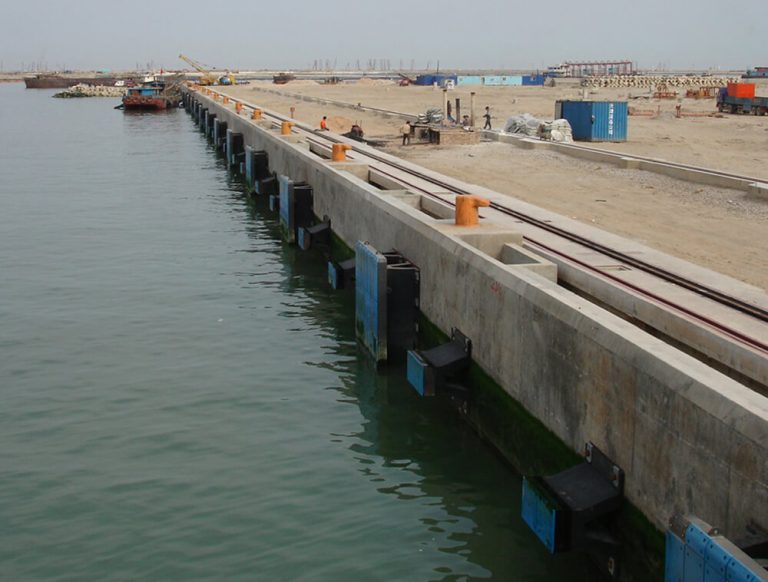
Replacing fender pads isn’t a complicated process, but cutting corners during installation tends to create bigger problems further down the line. Before ordering replacement pads, make sure they match the original design dimensions, bolt-hole pattern, and load requirements of the fender system.
From what we’ve seen across different port environments, the issues almost always trace back to one of three steps being rushed or skipped:
- Thorough Structural Assessment: Before replacing the pad, evaluate the condition of the existing rubber body and frontal steel frame. If the marine rubber fender underneath shows significant compression set, cracking, or corrosion in the frame, a new UHMW-PE fender pad cannot fix a failing internal support. So those issues need to be addressed first.
- Precision Drilling and Chamfering: Bolt holes must be perfectly aligned and deeply chamfered so that the hardware sits well below the surface, ensuring zero contact with ship hulls. Even slightly protruding bolts can scratch hulls on every berthing approach and quickly become a liability issue.
- Strategic Panel Spacing: Proper expansion gaps should be maintained between UHMW-PE panels to accommodate thermal expansion and prevent surface deformation. This step is easy to underestimate, but it becomes very apparent in ports that experience significant temperature variation between seasons.
Does UHMW-PE Actually Save Money Over Time?
That’s a good question and one we’re asked a lot. The cost of UHMW-PE sheet panels is much higher than that of timber or inexpensive plastics. But when you look at the big picture over a 10- to 15-year maintenance cycle, the stats tend to tell a different narrative.
- Reduced Fender Maintenance Costs: UHMW-PE pads are nearly impervious to water absorption and very abrasion resistant, so they require much less regular inspection and touch-up work than wood-based alternatives. Port operations personnel spend less time on reactive marine fender repair, and more time on the rest of the ship.
- Longer Service Life for the Entire Fender System: Because UHMW-PE distributes contact forces more evenly and introduces far less friction-induced stress, the underlying marine rubber fender also tends to last longer. A good facing pad effectively extends the service life of every component behind it.
- Lower Risk of Vessel Damage Claims: Smoother, more consistent berthing contact reduces the risk of hull abrasion claims from vessel operators. It is a cost that’s easy to overlook until it lands on your desk.
Replacing a worn facing pad is often far more economical than replacing an entire fender assembly. Staying ahead of the wear cycle is simply sound port management, and UHMW-PE makes that easier to do.
A Practical Overview
To maintain a maritime fender system’s intended functionality, it is important to recognize the warning signals of fender deterioration, select the correct facing material, and follow proper installation processes.
Whether you are planning a new berth installation or assessing maintenance alternatives for an existing system, knowing the state of the facing pads can assist prevent costly replacement expenses and improve long-term operational reliability.
At Boomarine, UHMW-PE facing pads are integrated into many of our marine rubber fender solutions to deliver low-friction vessel contact and long-lasting performance in demanding port environments. Contact us to discuss the most suitable fender configuration for your project.