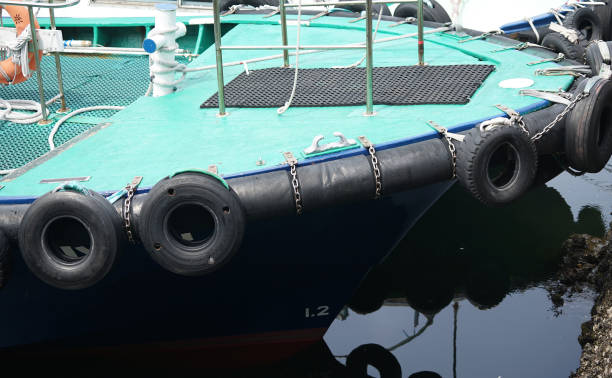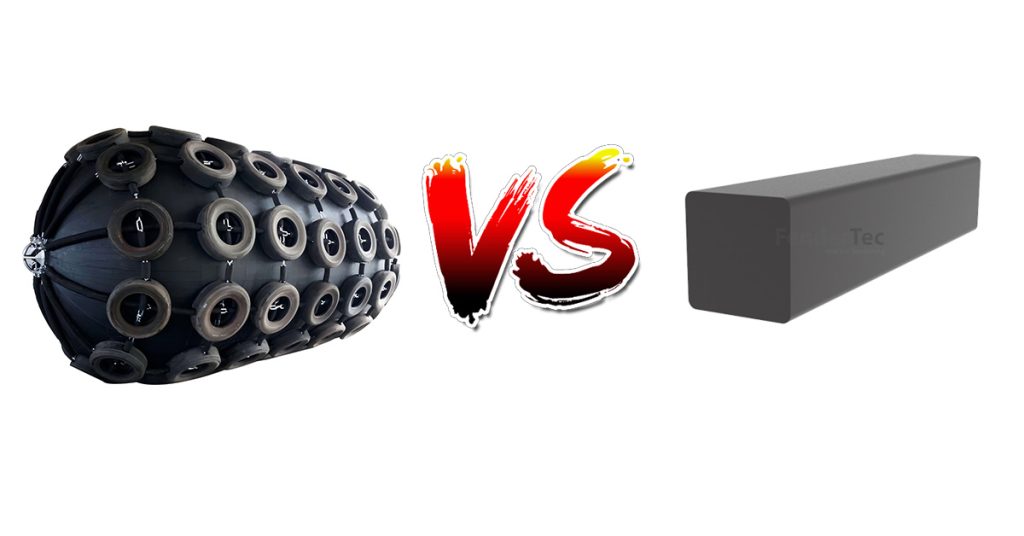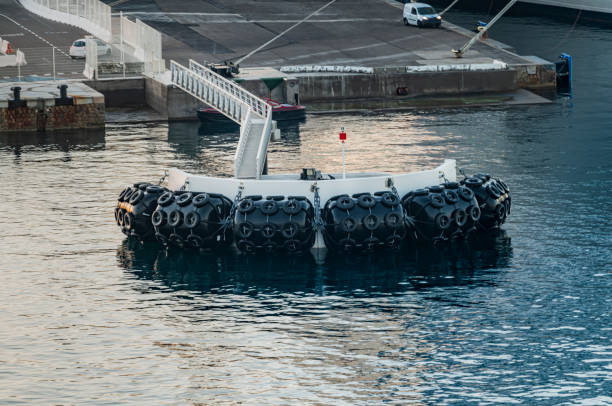
A vessel berthing against a poorly matched fender pad can cause unnecessary hull abrasion, accelerated wear on the rubber fender body, and structural damage to the dock. And these costs will add up quickly in busy port environments. Yet fender facing pads are still one of the most under-specified components in a marine fender system.
This guide covers the most important factors in choosing the right UHMW-PE fender pad: how the material is so effective, how to align pad specifications with your true operating conditions, and what tends to go wrong when the selection process is an afterthought.
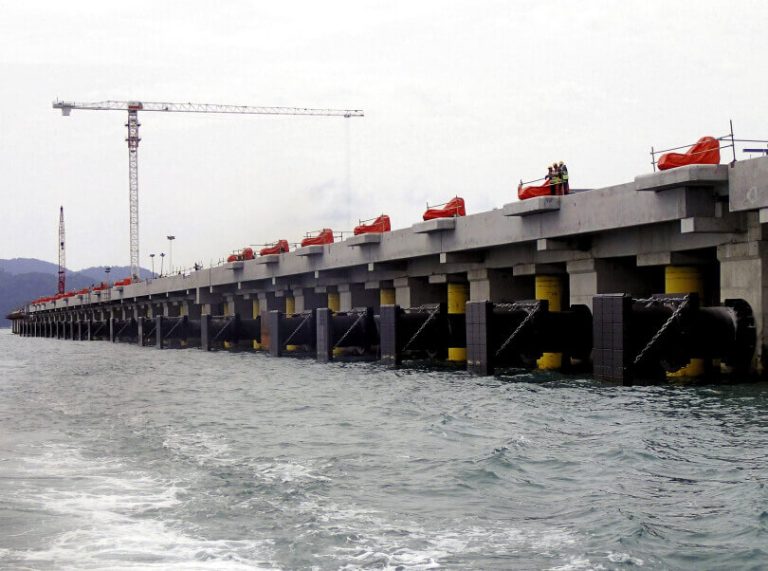
Why the Fender Pad Plays a Critical Role in Fender Performance?
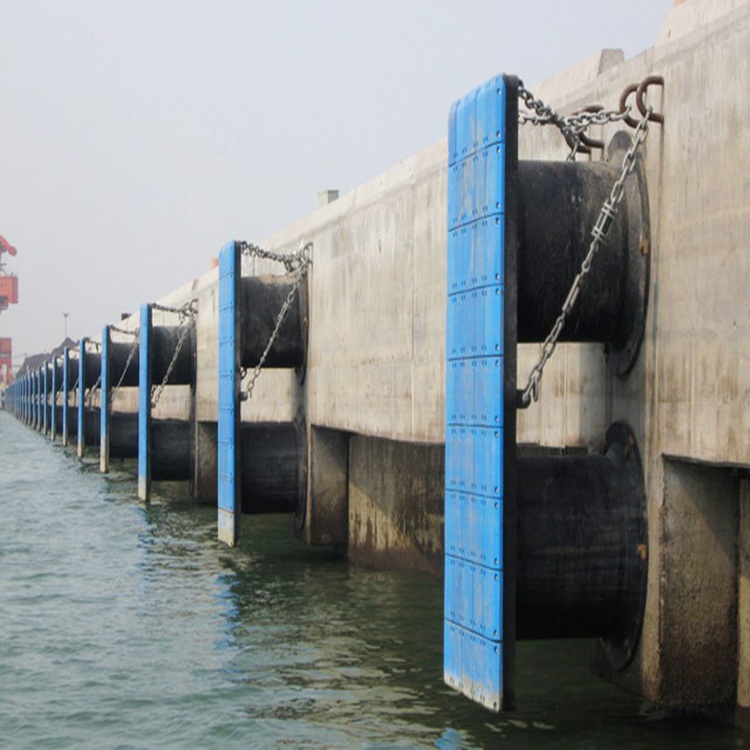
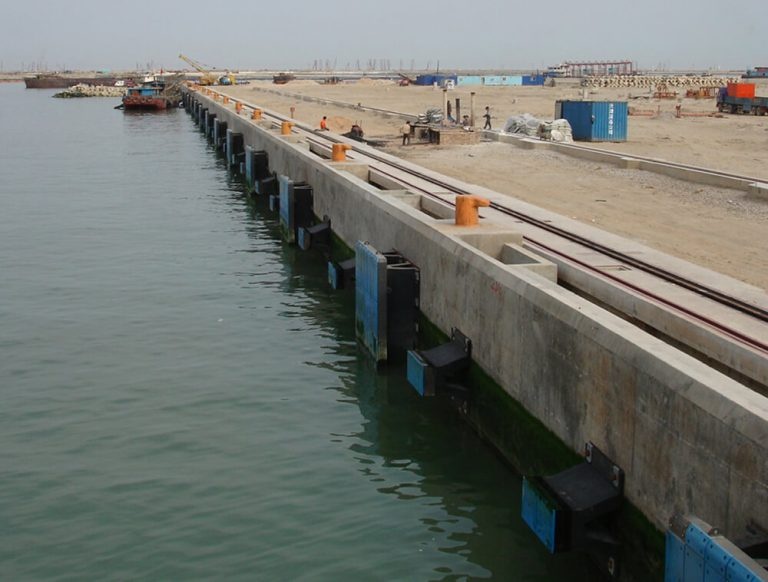
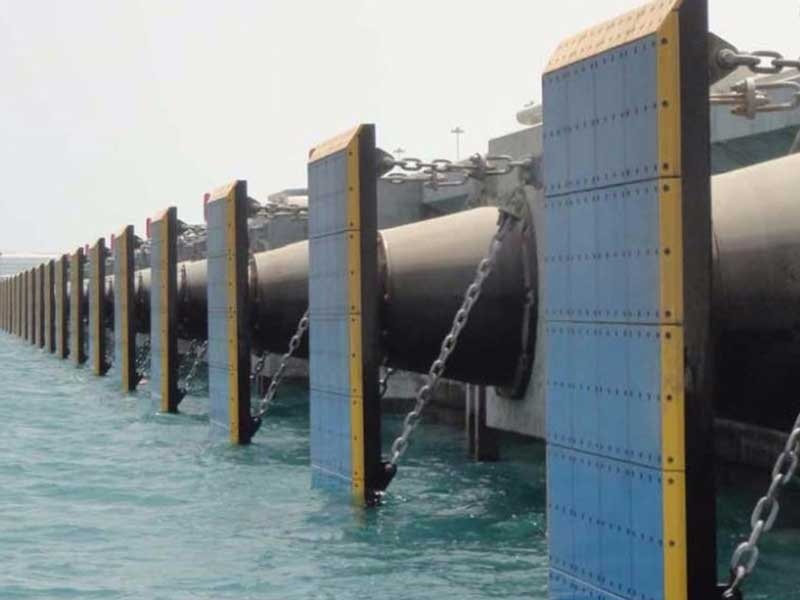
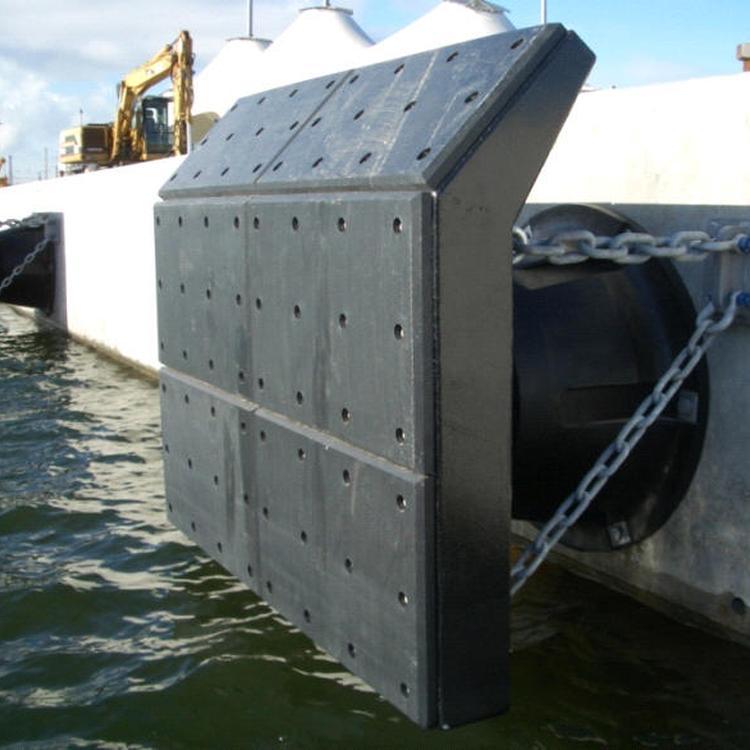
The fender pad is the initial point of contact as a vessel arrives at berth. It absorbs the first impact and scraping forces, spreads the load across the contact surface, and protects the rubber fender body below from direct abrasion.
In high-traffic terminals where vessels berth multiple times a day, the cumulative effect of a poorly specified pad shortens the entire system’s replacement cycle.
There’s also a reaction force consideration. A low-friction fender pad allows the vessel to slide slightly on contact rather than stopping abruptly. This reduces stress on both the hull and the dock structure. Get the facing pad wrong, and even a well-designed marine rubber fender won’t perform as intended.
What Makes UHMW-PE a Preferred Choice for Fender Facing Pads?
The performance of ultra-high-molecular-weight polyethylene (UHMW-PE) comes from a molecular structure that is much denser than traditional polyethylene, giving it a unique combination of toughness, wear resistance and surface qualities that few other engineering plastics can match in a marine environment.
It’s not a new material, but it remains the most consistently reliable choice for fender facing applications across port types worldwide.
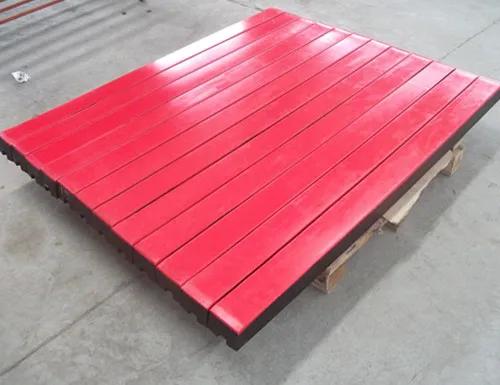
What sets it apart in practice:
- Low coefficient of friction: The UHMW coefficient of friction against steel runs approximately 0.10–0.20 (dry), making it a genuinely effective low-friction fender pad material and no need to apply lubricants.
- Impact absorption: UHMW-PE can withstand repeated berthing impacts without shattering unlike tougher plastics and this is important when berthing at irregular angles or greater speeds.
- Wear resistance: It outperforms HDPE and standard polyethylene in abrasion resistance, which directly extends service life in high-cycle applications.
- Marine durability: Salt water and most marine contaminants have little effect on the material, while UV-stabilized grades offer excellent long-term outdoor performance.
These aren’t just theoretical properties. In practical marine applications, UHMW-PE consistently outperforms many alternative materials when total service life is considered.
How to Choose the Right UHMW-PE Fender Pad?
The right fender pad specification starts with a clear picture of your operating environment. Below are the key technical factors to work through before settling on a selection.
1. Berthing Loads and Operating Conditions
Three site-specific variables drive most of the specification decisions:
- Vessel size: The larger the displacement, the higher the berthing energy, which often requires a thicker pad and stronger backing structure.
- Impact frequency: A berth that gets 10 vessel calls a day will have a whole lot greater load over time than one that only gets 2-3. This impacts the necessary wear resistance and the estimated service life.
- Environmental conditions: Tidal variation, current, and wave exposure influence how vessels approach the dock. Exposed berths with regular wave action tend to demand pads with better fatigue resistance than sheltered ones.
2. Sheet Thickness and Structural Support
Thin pads aren’t more economical just because they cost less upfront. A pad that wears through in 18 months is more expensive over its service life than one correctly specified to last five years.
Thickness needs to be matched to expected loads, but the backing structure matters just as much. A well-supported UHMW-PE sheet consistently outperforms a thicker sheet mounted on a poorly designed frame. The backing redistributes load that would otherwise cause the pad to deform locally and wear unevenly.
3. Surface Area and Contact Design
A larger contact surface area spreads berthing loads more evenly across the pad, reducing the concentration of wear at any single point. This is particularly useful at berths serving vessels with varying hull profiles, and it’s one of the simpler ways to extend pad service life without changing the material specification.
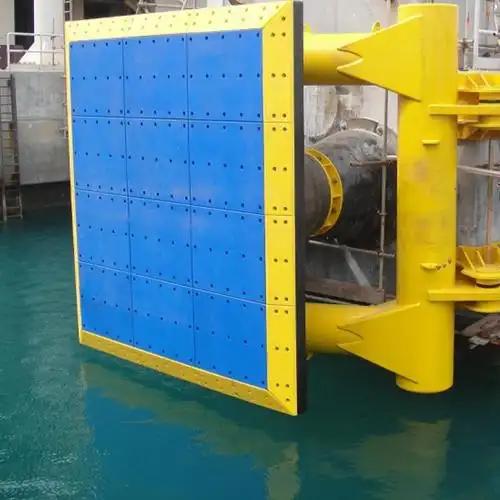
Matching UHMW-PE Fender Pads to Different Marine Applications
Knowing the selection criteria is one thing; applying them to a specific type of berth is another. The requirements on the fender pad fluctuate in different port conditions and priorities change based on the setting.
Commercial Ports and Cargo Terminals
These are high-duty environments by nature. Vessels are large, berths are busy, and fender systems are expected to perform consistently over many years with minimal intervention.
The specification priority here is straightforward: a thick, well-supported UHMW-PE sheet with proven wear resistance under sustained heavy loads. Longevity takes precedence over all other considerations.
Container Berths
Container terminals often handle multiple vessel calls at the same berth every day. The cumulative effect of repeated sliding contact during maneuvering puts sustained demand on the pad surface.
In this setting, low-friction performance becomes just as important as durability. A smooth UHMW-PE surface reduces hull abrasion and keeps reaction forces within acceptable limits across high-cycle conditions.
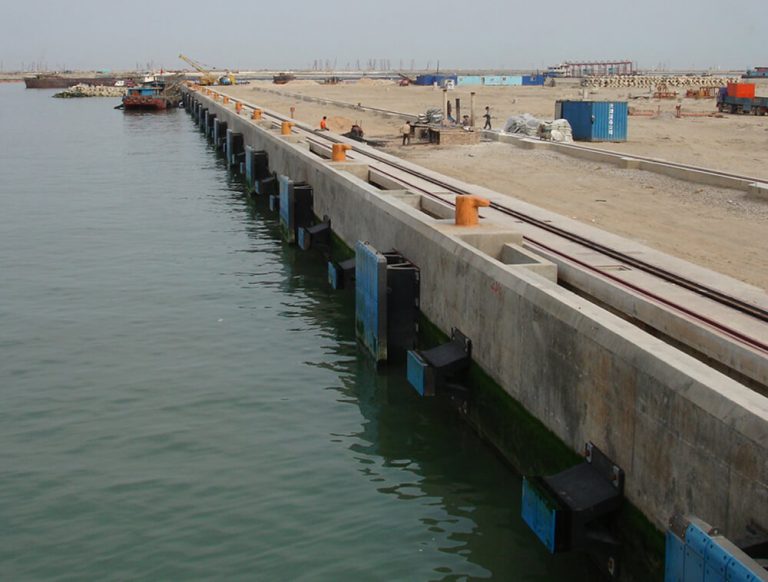
RoRo and Ferry Facilities
Ferry and RoRo terminals present a different challenge. The berthing cycles are quite repetitious, frequently at predictable angles, and the schedule rarely allows for long repair windows.
Here, the practical balance shifts toward pads that are not only durable but easy to replace in sections. Modular panel designs tend to work well in this context, since they allow targeted replacement without taking the entire fender system offline.
Small Harbors and Marina Installations
Not every application needs a heavy-duty specification. In smaller harbors and marina settings, vessel sizes and berthing energies are lower, and a moderate-spec UHMW-PE sheet is typically adequate.
The goal is appropriate specification. Fit the pad to the actual conditions rather than over-engineering for demands that won’t exist on site.
The table below summarizes how application type maps to recommended priorities and approaches:
| Application Type | Key Priority | Recommended Approach |
| Commercial Cargo Port | Wear resistance, long service life | Thick UHMW-PE sheet, robust backing |
| Container Terminal | Low friction, high-cycle durability | Smooth UHMW-PE, extended contact area |
| RoRo / Ferry | Balanced durability and maintainability | Standard thickness, modular panel design |
| Marina / Small Harbour | Cost-effective adequacy | Moderate thickness, simplified mounting |
Common Mistakes When Selecting Fender Facing Pads
A few patterns come up repeatedly in fender pad selections that underperform:
- Selecting by price alone: Total cost of ownership matters more than the unit price. A pad that fails early costs more across its service life.
- Overlooking the backing structure: The pad and its mounting frame are a system. A high-quality UHMW-PE sheet on a poorly designed backing will still wear unevenly and fail prematurely.
- Using one specification across all berths: Different berths in the same terminal can have meaningfully different load profiles. A uniform approach leads to over-spec in some areas and under-spec in others.
- Ignoring environmental conditions: A pad that performs well in calm, sheltered conditions may wear out much faster on an exposed berth with regular wave action.
Selecting the Right Fender Pad for Long-Term Performance
The secret to choosing the best UHMW-PE fender pad is matching the specification to the operating conditions, not just picking a catalog product.
The pad’s lifespan and maintenance costs depend on elements such as vessel type, traffic frequency, berthing loads, environmental conditions and structural support.
When these factors are worked through carefully, a well-chosen UHMW-PE fender pad protects hull surfaces, extends the service life of the marine rubber fender system behind it, and reduces the total cost of maintaining reliable berthing infrastructure. contact and long-lasting performance in demanding port environments. Contact us to discuss the most suitable fender configuration for your project.